
How to Start a Festival & Should You Actually Do It?
EVENT PLANNING GUIDE
How to Start a Festival & Should You Actually Do It?
Updated on September 29, 2026 | Written by Rachella Thomas
“I've got a great idea for a festival. Should I actually do this?”
Before you start a festival, you need to work out whether you can realistically afford, resource, and deliver the idea — and whether you're prepared for it to take time to grow.
I've spent more than 26 years working on major events and festivals, and I've learnt a thing or two about how to plan one. Here’s what I know: nobody can teach you how to produce a festival in a single article.
What I can do is help you think through a few things before you get too far into the planning.
So, before you start booking performers, designing posters or announcing dates, here are the things I'd want you to get clear about first.
1. Decide How Big This Festival Really Needs to Be
Not “How big could this become one day?”
When you’re planning your first festival, don't build it for the festival you hope to have one day. Work out how good you can make this festival with the money, people, experience and resources you have now.
Scale changes almost everything for a festival: infrastructure, staffing, security, toilets, traffic, waste, medical provision, production, communications and the amount of money at risk. The bigger the festival, the more challenging, expensive and risky it becomes. So it’s always better to start small and grow from that solid base.
When starting a festival, look at the resources you have right now.
How much money can you realistically access for this first event? How much can you realistically afford to lose? How much time can you give, probably for no pay? Who will do the work? What event-planning experience does the team have? What infrastructure does the site require?
Create a realistic idea of how good this first festival can be within those resources. Then grow the festival from there.
Remember, you can always make Festival No. 2 bigger.
2. Work Out Where the Money Comes From Before You Spend It
Start building the festival budget early and be conservative about income you don't yet have.
A stage is never just a stage. Stage costs also include audio, lighting, power, technicians, transport, installation and crew. A site doesn't miraculously become a festival venue. It usually needs fencing, toilets, security, waste services, temporary infrastructure, signage, first aid and traffic management.
And that's before you've put anything interesting on it.
Ticket sales, sponsorship, grants, stallholder fees and other revenue can all form part of the model, but anticipated income isn't the same thing as money already in the bank. One trap for a new festival is spending against income you hope will arrive later.
I'd want to know what the festival costs to deliver, what you have to commit before that revenue is certain, and what happens financially if attendance isn't what you hoped.
Festivals are exceptionally expensive events, and outdoor festivals come with the added risk of cancellation or early shutdown due to inclement weather. Think about how much it will cost to close early.
Read How to Plan for Weather Risks at an Outdoor Event
Read How to Write a Show-Stop Procedure for an Outdoor Event
A good festival idea needs a financial plan to get you through the first years, when you’ll likely have more costs than revenue.
3. Choose the Site With Operations in Mind
It's very easy to fall in love with a potential festival site because it looks fantastic.
You start dreaming about the atmosphere and the buzz, but are you thinking about the logistics?
Where does the stage go? Where does the power come from? How do suppliers get in? Where do emergency vehicles access the site? Where are the toilets? What happens when thousands of people arrive at once? Where does the rubbish go? What happens if it rains?
Assess the site as an event producer, not as an audience member.
Imagine it full with equipment and people. Imagine delivery vehicles arriving while you're trying to build it. Imagine everyone leaving at once. Imagine something going wrong at the furthest point from Event Control.
A beautiful site can create ugly operational problems, so use an outdoor venue selection audit checklist to cover all the logistics.
4. Plan for the Crowd You Want, Not the Crowd You Have Today
If you’re starting a festival, you need to prepare financially for not selling enough tickets, and operationally for if you do.
I often sit in meetings and hear clients talk for hours about strategies to sell more tickets and get more people through the gate. What gets much less attention is the logistical consequence of that strategy actually working.
If your marketing works and the site fills with twice as many people as you expected, can people enter efficiently? Can they move around comfortably? Can they buy food and drinks without ridiculous queues? Are there enough toilets? Can your team communicate across the site? Can you respond properly if someone needs help?
Don't build a plan around the hope that it will be manageable. Build the festival site around the maximum attendance you're planning to attract.
Read Crowd Control: The Event Risk You’re Underestimating
5. Understand How Much Planning Sits Behind the Festival
The audience sees stages, food, music, performers, installations, market stalls, bars and crowds having a good time. What they don’t see is the months (or sometimes years) of unglamorous planning behind it.
Budgets. Site plans. Production schedules. Supplier management. Risk assessments. Staffing. Traffic. Waste. Accessibility. Communications. Emergency planning. Permits and Approvals. Run sheets. Contingencies. Pack-in. Pack-out.
What your festival needs depends on its size, format, location, and local requirements, but the same principle always applies — the larger and more complex the festival, the more important the planning system behind it.
Start With the Festival You Can Actually Deliver
A great festival doesn't have to start big. It needs an idea people want to experience, a realistic financial model, a site that can support it and a planning team capable of delivering it well.
So before you ask how big your festival could become, work out what you can deliver properly now. Start there. Learn from it. Then make Festival No. 2 bigger.
Read Festival Planning Checklist: 10 Things to Get Under Control
Festivals Kit - Event Planning Templates
Get the same tools I’ve used and developed over decades of major events and festivals in the Festivals Kit.
The Festivals Kit includes key planning documents: spreadsheets, checklists, and templates that turn your overwhelming to-do list into a ready-made festival plan.
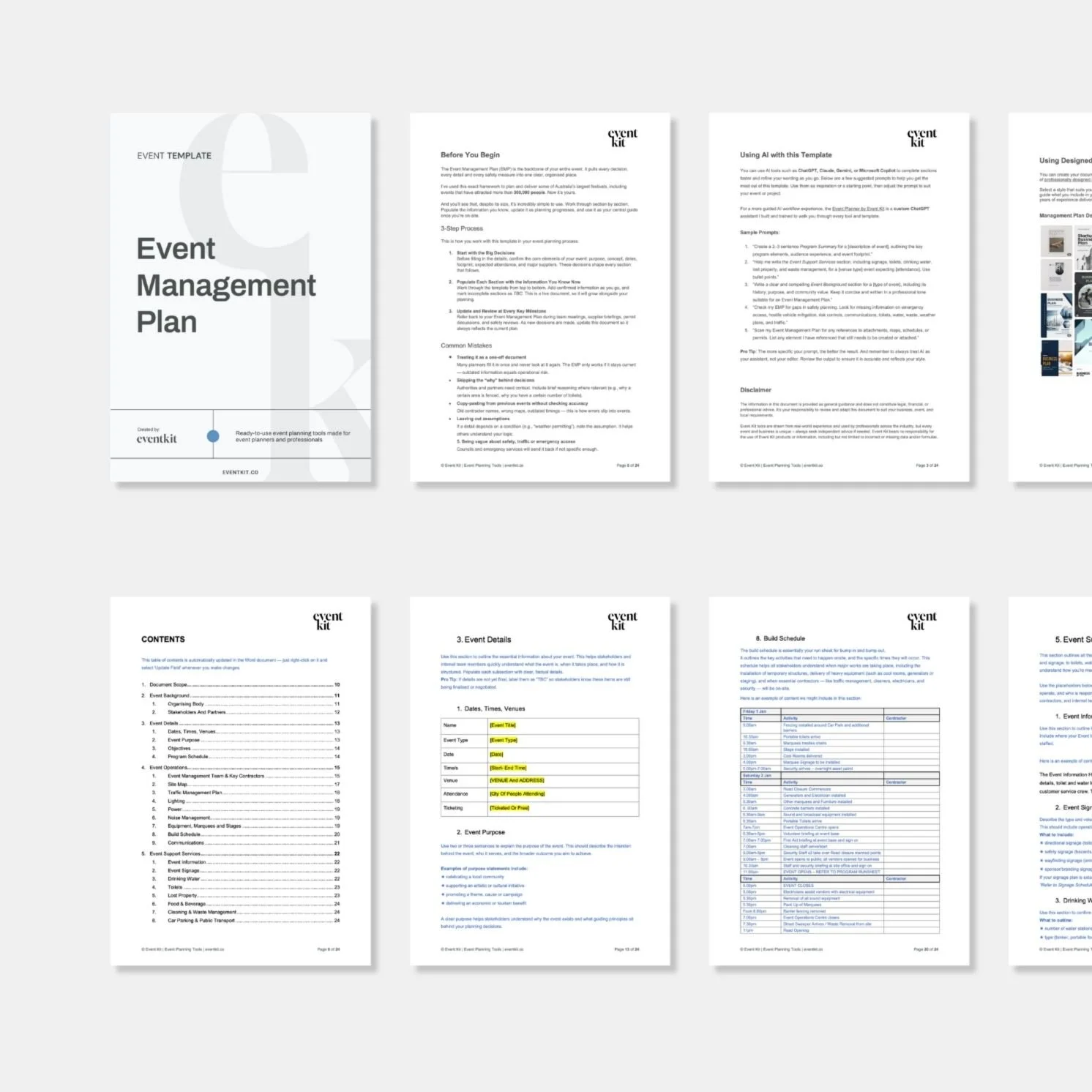
How to Plan a Festival: You don't need to know everything before you begin. But you do need an event planning framework. Get real-world event-planning tools in the Festivals Kit.
→ If you found this Event Kit Guide useful, feel free to share it with a fellow event planner or your event network. They’ll appreciate you passing it on.
Related Reads


Meet Your Mentor
Rachella Thomas is an award-winning event producer with more than 26 years of experience delivering major events. Her work includes the Australian Open, Commonwealth Games Queen’s Baton Relay, Melbourne Food & Wine Festival, and other renowned large-scale events and festivals.
Rachella founded Event Kit, where she turns decades of professional event know-how into practical tools for event planners worldwide.
Learn More → ABOUT
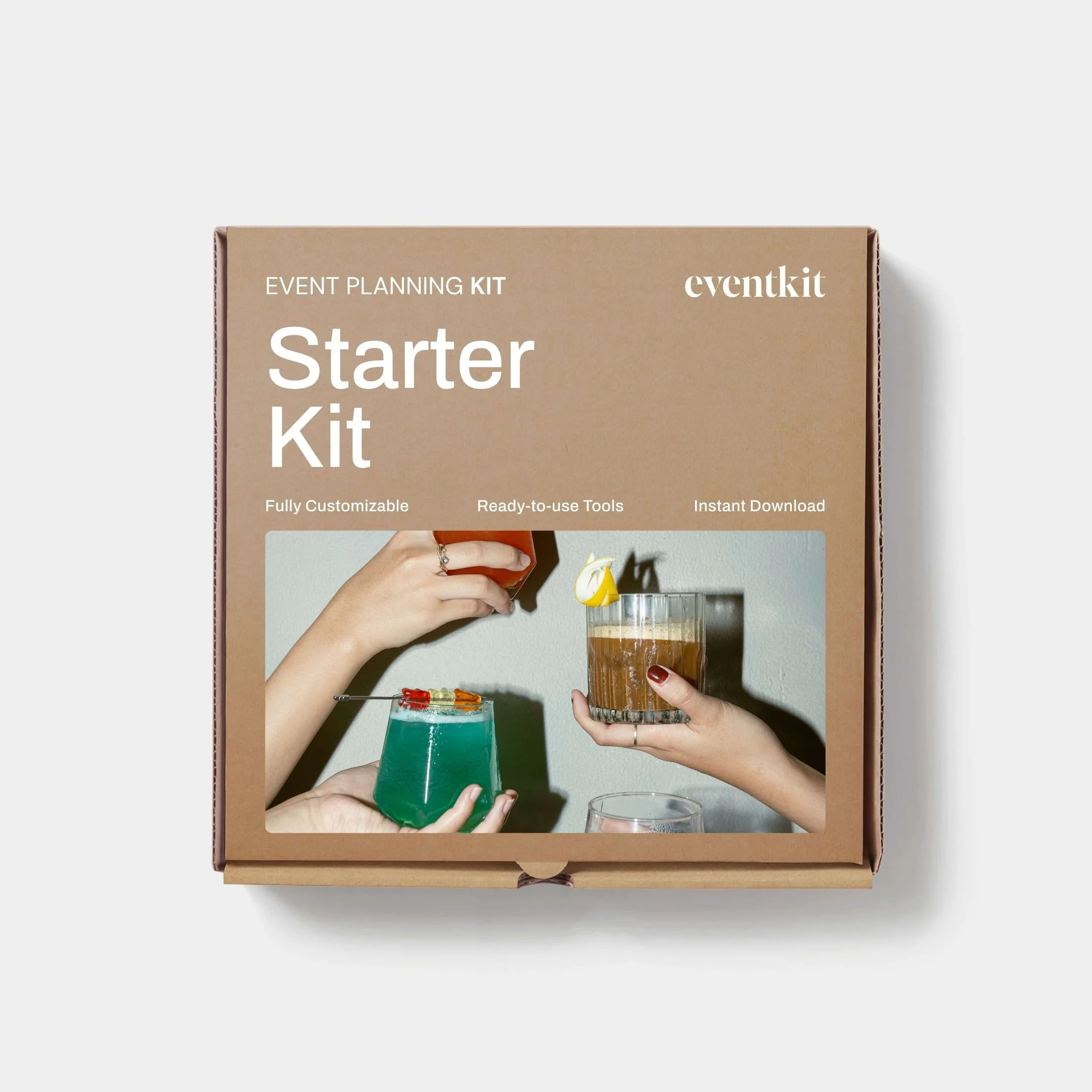
Want to try Event Kit?
Get a professional Event Run Sheet template for free!


Description
Community Festivals Planning Kit
Designed for:
Festival producers, community event organizers and event planners managing large-scale, public and outdoor events.
Helps you:
Manage budgets, permits, suppliers, programming, production and event-day logistics with professional templates built for community festivals and public events.
What’s included:
EXCEL
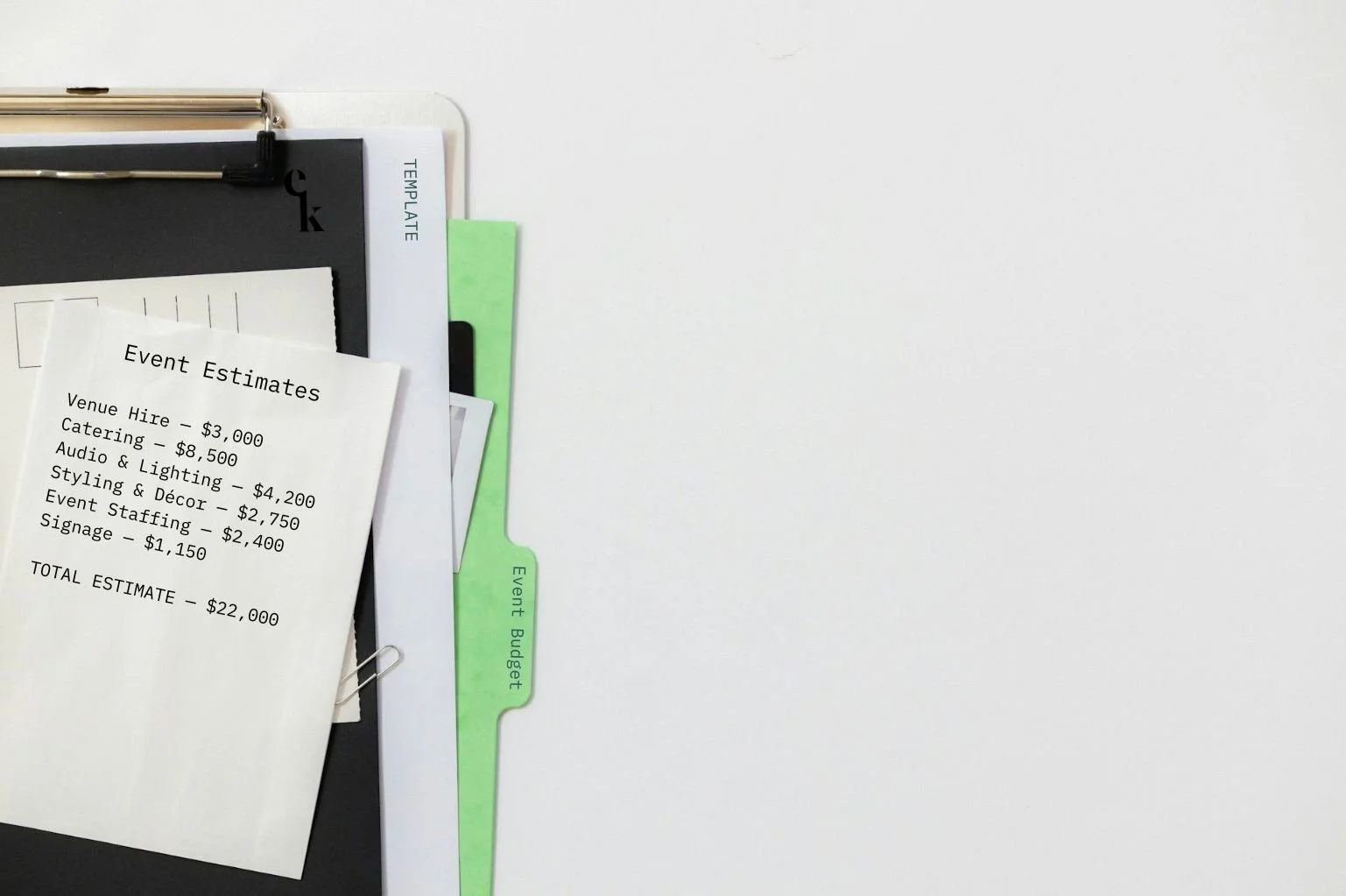
• Event Budget: Public Events and Festivals
• Event Delivery Plan
• Event Entertainment Bookings
• Event Equipment and Supplier Bookings
• Event Plan Timeline: Festivals
• Event Production Schedule
• Event Run of Show
• Event Signage Plan
• Site Specifications for Festivals
• Stage Program Plan
PDF
• Event Brief Writing Guide
• Event Timeline for Small Festivals
POWERPOINT
• Outdoor Event Site Map
WORD
• 12 Pre-Written Emails for Planning Public Events
• Event Brief
• Event Contact List
• Event Kit Checklist
• Event Management Plan
• Event Site Safety Checklist
• Lost Child Checklist
• Lost Property Logbook
• Outdoor Venue Audit Checklist
• Public Event Permit Checklist
• Vendor Event Manual
Plus:
• Built-in planning tips and guidance notes
• AI prompts to help you work faster
Pairs well with:
Any collection in the shop. There's no wrong combination — grab what fits your events and build from there.
Note: This is a digital product. No physical item is shipped.
Customer Service
Within a few minutes of purchase, you’ll receive an email with a link to download your files. The download link expires after 24 hours. If you can’t find the email, please check your Spam or Junk folder.
Need help getting started?
Notes and instructions are built into our templates to give you structure, guidance and practical real-life examples. These are not blank templates. They’re designed to guide you as you use them.
Still got questions?
Template Manual
FAQs
Contact Us
Template License
Event Kit templates are licensed for use by one business or sole operator. You can edit, customize and reuse them across every client, event, and project your business handles. Add your own branding, update colors and fonts, remove sections you don't need, and adapt the content to suit you.
Read full Template License