
Crowd Control: The Event Risk You're Underestimating
EVENT PLANNING GUIDE
Crowd Control: The Event Risk You're Underestimating
Updated on September 29, 2026 | Written by Rachella Thomas
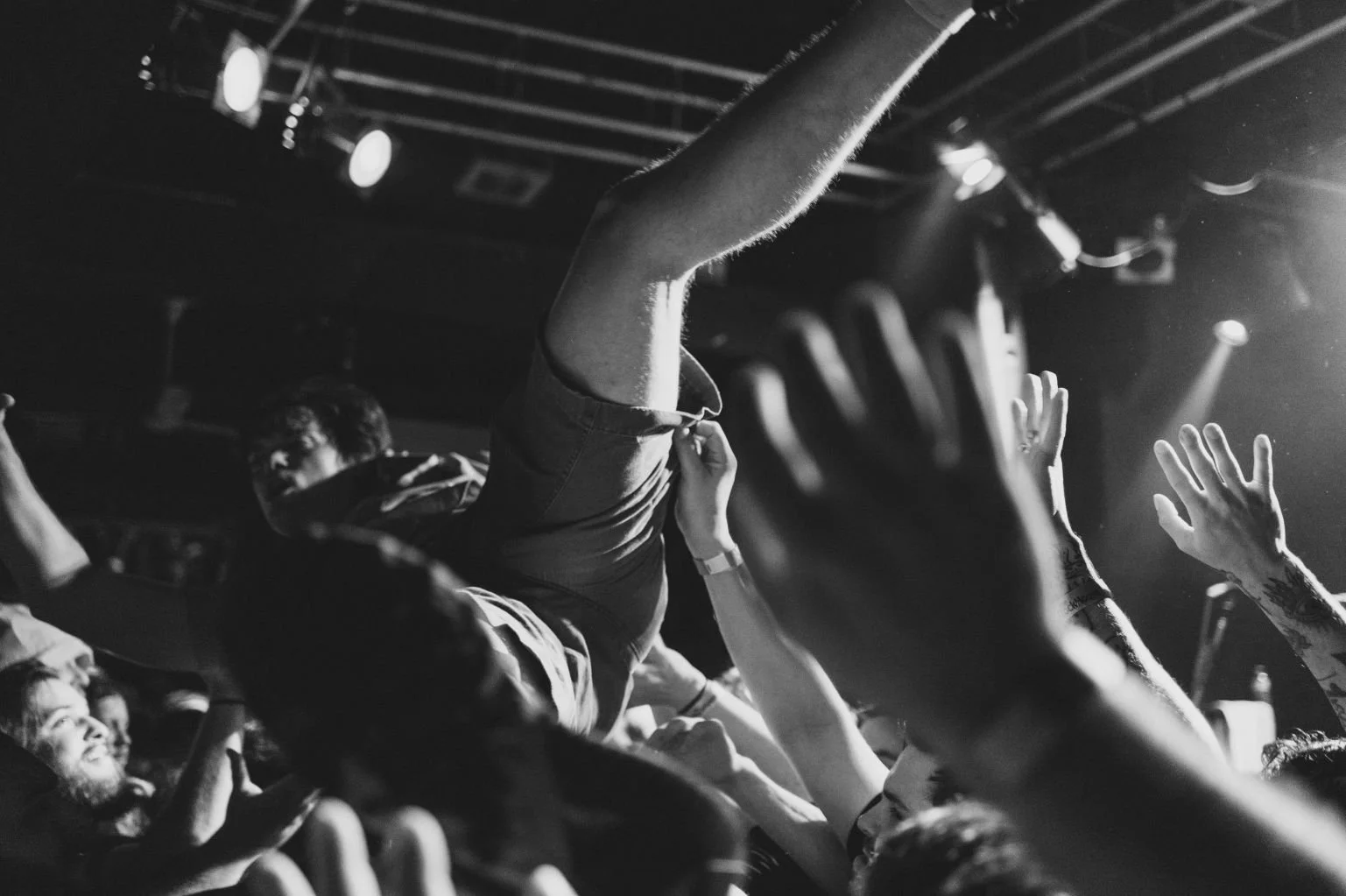
Crowd management isn't only something you think about when you're planning a major festival or stadium event.
Put a large group of people in the same place, and you've got something to manage.
A corporate event can create a crush around registration when everyone arrives at once. A food festival can have plenty of overall site capacity and still develop an uncomfortable queue in front of its most popular vendor. A brand activation can inadvertently block a pedestrian route because everyone stops to watch.
When planning an event of scale, the question isn't just “How many people are coming?”
The question is also: Where will they go, when will they go there, and what happens when a lot of them decide to do the same thing at once?
1. Don't Just Look at Capacity. Look at Movement.
Knowing your event capacity matters, but it doesn't tell you how people will behave once they're inside.
Take your site or floor plan and mentally walk through the event as an attendee.
Audit the potential event space and ask critical logistics questions:
Where do you enter? What's the first thing you see? Where do you need to queue? Where do you get food? Where are the toilets? Where is the main attraction? What happens when that attraction finishes?
Now ask those questions again, with hundreds or thousands of other people moving through the site.
You can have a site that feels beautifully spacious at 2 pm but very different at 6 pm, when a headline act finishes, and everyone moves toward the food area at the same time.
Don't just plan for where people are. Think about when and how they will move through the event site.
2. Find the Places Where People Stop
Movement is only half the picture. Anticipate the places where people are likely to stop, wait, or queue.
Entry gates. Registration desks. Bars. Food vendors. Toilets (always the toilets). Merchandise. Popular activations. Stage areas. Narrow pathways. Transport pick-up areas.
Sometimes the problem isn't the activity or area itself. It's the queue that forms beside it and starts interfering with everyone trying to move past.
Experience has shown me that you need to walk an event site several times rather than rely entirely on the plan.
Areas that look like plenty of space on paper can feel remarkably small once you've added barriers, equipment, furniture, signage, queues and people.
3. Think About What Happens Immediately Before and After the Big Moment
One of the easiest things to miss is the crowd movement a program can create.
The pressure point often isn’t the big moment itself, but the sudden movement of people immediately before or after it.
If thousands of people are watching the main stage, what happens when the headline act finishes? If the doors open at 10 am, how many people are likely to arrive at 9:50? If the event finishes at the same time for everyone, what happens at the exits, transport areas or car parks?
As an event planner, it’s your job to anticipate what the audience will do next.
The program schedule implicitly directs crowd movement, encouraging people from space to space as they move between stages or activities. So your crowd planning shouldn't happen separately from programming, transport, food and beverage, ticketing or site design. They affect one another.
As an event planner, you have more influence in your event program schedule than you might realise.
Sometimes simply changing a schedule time, opening another service point, or moving an activation back by 50 meters can reduce a crowd problem before you've added a single extra barrier.
Our Event Program Template Bundle lets you schedule and track your program across times and locations, so you can see more clearly what’s happening where, when, and how it might affect crowd movement.
4. Good Crowd Management Starts Before Security Gets Involved
Security is an important part of many event crowd management plans, but it shouldn't be the entire plan. Yes, you need security staff to monitor areas and respond to changes in crowd flow, but that is a reaction to what’s already happening. The best event risk management plans prevent incidents ahead of time, not just manage them after they have occurred.
The best crowd management risk is the one your event design prevents from developing in the first place.
Good site design can help people understand where to go, and where not to go.
Clear information can reduce hesitation or confusion, enough entry points can reduce queues, and thoughtful programming can help distribute people around a site. Staff positioned in the right places can spot a problem while it's still relatively easy to solve.
For events where crowd behaviour or density presents a significant risk, bring qualified security and safety professionals into the early planning process.
5. Have a Plan for When the Crowd Doesn't Behave as Planned
We all know events rarely go exactly as planned. You can design a sensible site, think carefully about how people will move through it and brief your team thoroughly. Then the gates open and people do something you weren't expecting.
They might use a different entrance than you expected. Everyone might arrive half an hour earlier than expected. One food vendor might become wildly popular, and suddenly there's a queue blocking a major walkway. Rain might send hundreds of people towards the same covered area.
Your crowd management plan needs to work in real time and adjust to the changing dynamics of a live event.
You can't predict every change in crowd behaviour. But you can decide in advance how you'll spot a developing problem, how that information will reach the right person, and who has the authority to act.
This is where our professional Event Risk Management Plan becomes important.
Don't just ask whether your venue can hold the crowd. Think about what the crowd might actually do once you put them in it, where pressure could build, and what you'll do if it does.
Identify potential pressure points early, while you can still make changes.
As part of your pre-event risk planning, ask: Who is watching crowd conditions? How does information get back to Event Control or the appropriate decision-maker? Who has authority to change an entry arrangement, redirect people, pause an activity or implement another agreed response? And how will your team communicate if conditions change quickly?
Crowd management isn't an isolated line item on your risk assessment. It's connected to your site plan, program, ticketing, transport, communications, staffing, security and emergency planning. When one of those things changes, your crowd conditions can change with it.
→ If you found this useful, feel free to share it with a fellow event planner or your event network. They’ll appreciate you passing it on.
Related Reads


Meet Your Mentor
Rachella Thomas is an award-winning event producer with more than 26 years of experience delivering major events. Her work includes the Australian Open, Commonwealth Games Queen’s Baton Relay, Melbourne Food & Wine Festival, and other renowned large-scale events and festivals.
Rachella founded Event Kit, where she turns decades of professional event know-how into practical tools for event planners worldwide.
Learn More → ABOUT
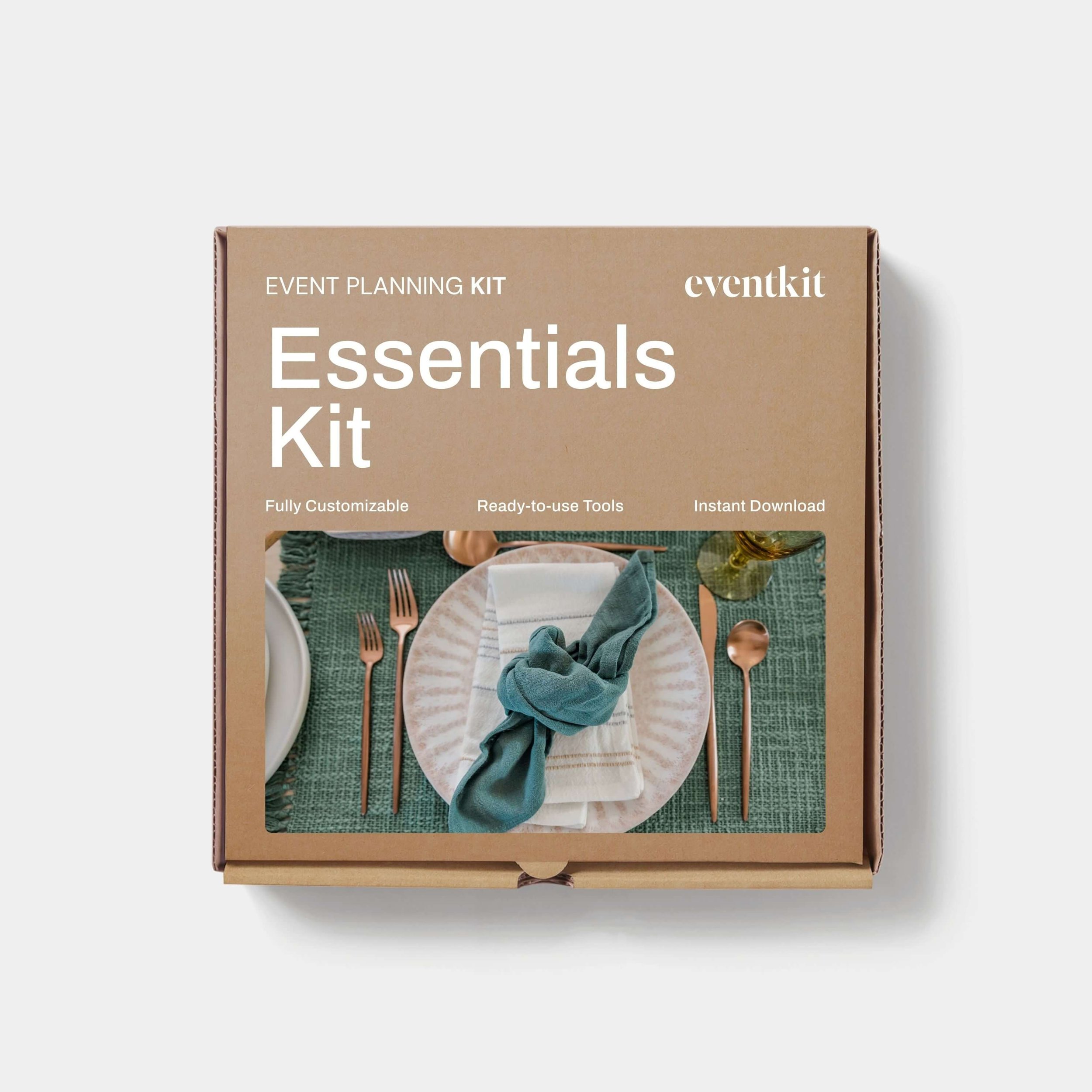
Want to try Event Kit?
Get a professional Event Run Sheet template for free!


Description
Event Planning Starter Kit
Designed for:
Designed for new event planners who want a professional starting point without building every document from scratch.
Helps you:
When you’re new to events or just an occasional event organizer.
What’s included:
EXCEL
• Event Budget
• Event Plan Timeline
• Event Run Sheet
PDF
• Event Brief Writing Guide
• Event Plan Master Checklist
• Event Risk Management Guide
• Event Run Sheet User Guide
WORD
• Event Brief
• Event Risk Assessment Matrix
Plus:
• Built-in planning tips and guidance notes
• AI prompts to help you work faster
Pairs well with:
Any collection in the shop. There's no wrong combination — grab what fits your events and build from there.
Note: This is a digital product. No physical item is shipped.
Customer Service
Within a few minutes of purchase, you’ll receive an email with a link to download your files. The download link expires after 24 hours. If you can’t find the email, please check your Spam or Junk folder.
Need help getting started?
Notes and instructions are built into our templates to give you structure, guidance and practical real-life examples. These are not blank templates. They’re designed to guide you as you use them.
Still got questions?
Template Manual
FAQs
Contact Us
Template License
Event Kit templates are licensed for use by one business or sole operator. You can edit, customize and reuse them across every client, event, and project your business handles. Add your own branding, update colors and fonts, remove sections you don't need, and adapt the content to suit you.
Read full Template License