
The 6 Types of Event Sponsorship
EVENT PLANNING GUIDE
The 6 Types of Event Sponsorship
Updated on August 20, 2026 | Written by Rachella Thomas
Event sponsorship isn’t just about securing the cash.
It’s about finding the right fit for your event. And that means more than finding the right sponsor who aligns well with your brand. It also means finding the right way for them to support your event.
It’s about how your sponsor will be involved, not simply about getting paid. One sponsor might contribute funding, while another could provide equipment, services, products or access to an audience. What makes sense depends on what your event needs, what the sponsor can offer, and where there’s genuine value for both sides.
Understanding the different ways a sponsor can contribute gives you more options when you start looking for potential partners.
Here are six common types of event sponsorship and how each one works.
Financial Sponsorship
Financial sponsors contribute money directly towards the event in return for agreed sponsorship benefits.
Funding may support the event as a whole or be tied to something specific, such as a stage, program, activity, or event area. The key is to be clear about what the investment enables and what the sponsor receives in return.
In-Kind Sponsorship
In-kind sponsorship replaces a financial contribution with goods or services the event would otherwise need to purchase.
This could include venue hire, staging, AV equipment, catering, printing, transport, waste management or professional services.
Done well, an in-kind partnership can reduce the event budget considerably, so it’s worth assigning a realistic dollar value to the contribution when assessing the overall sponsorship.
Media Sponsorship
Media sponsors provide advertising, editorial coverage or promotional reach rather than direct funding.
Depending on the partner, this might include print or digital advertising, radio promotion, editorial coverage, social media, interviews, newsletters or broadcast support.
These partnerships are particularly useful when reaching the media partner’s existing audience is valuable to the event.
Promotional Sponsorship
Promotional partners use their own audience or influence to help generate awareness of the event.
This could include creators, industry personalities, ambassadors, community organisations or other brands with access to an audience you want to reach.
The value isn’t simply the size of their following. Audience relevance and genuine engagement matter far more than a big number.
Scholarship or Access Sponsorship
A sponsor may fund tickets, registrations or participation costs for people who might otherwise be unable to attend.
For conferences, workshops and other paid events, this could include students, emerging professionals, community groups or other identified audiences.
It gives the sponsor a tangible initiative to support while helping the event broaden access and participation.
Product and Merchandise Sponsorship
Product sponsors contribute physical products for use or distribution at the event.
That might include attendee gifts, prizes, samples, uniforms, lanyards, refreshments or products incorporated into the event experience itself.
The strongest product partnerships are relevant to the audience and useful within the event rather than simply adding more branded merchandise.
Choosing the Right Sponsorship Approach
You don’t need to offer every sponsorship type.
Start with what your event genuinely needs, then consider which sponsor type and contribution best fit. Review your costs, services, products, audience and event experience to identify where the right partner could add real value.
Then think about the other side of the partnership: what can your event offer them in return? The strongest sponsorship opportunities work for both sides.
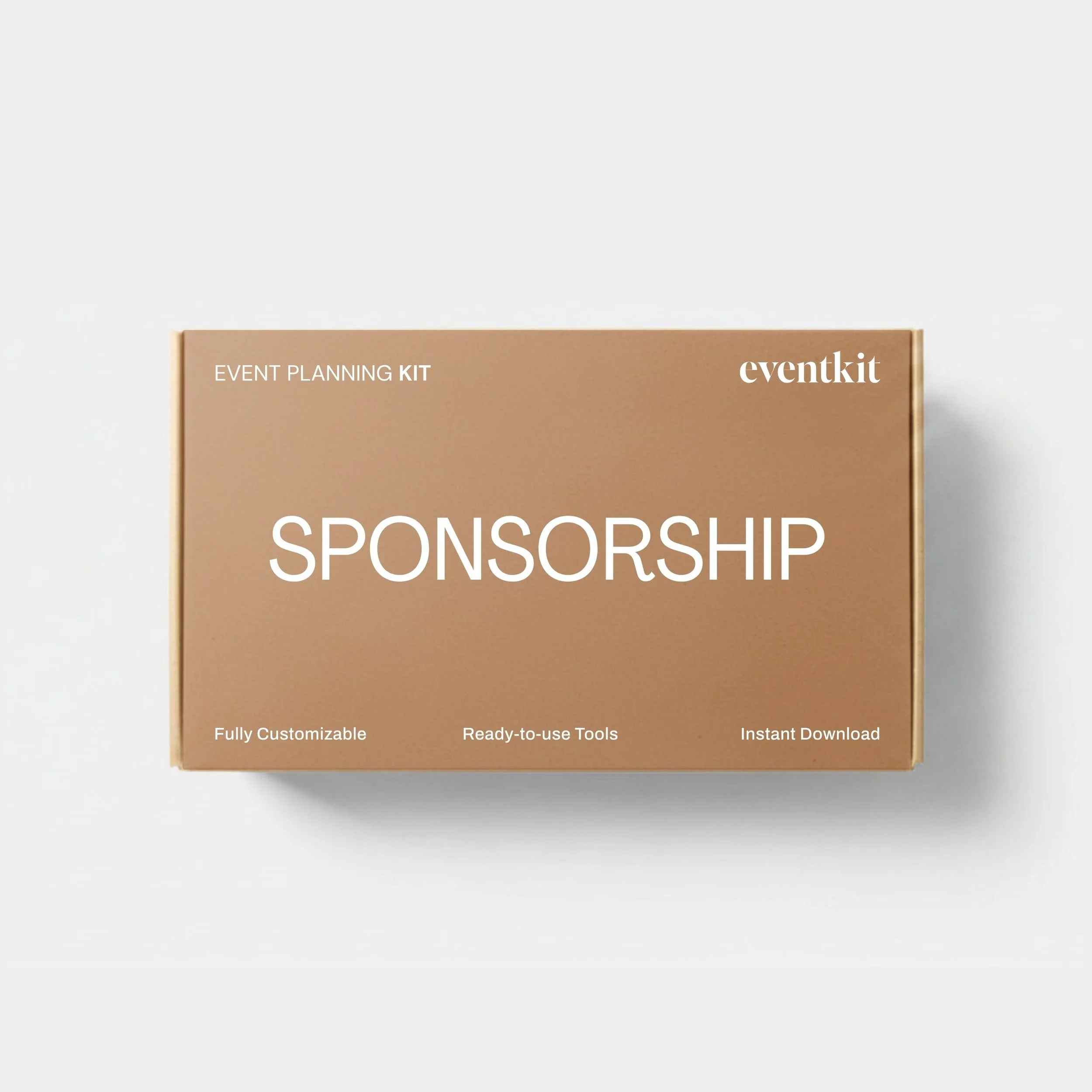
Sponsorship Kit - Event Planning Templates
Get the same tools I’ve used and developed over decades of major events and festivals in the Event Sponsorship Kit.
It includes key planning documents for building your sponsorship packages, presenting your proposal and formalising the partnership. You get a ready-to-use Sponsorship Proposal Deck, Sponsorship Agreement and Sponsor Benefits Schedule.
→ If you found this useful, feel free to share it with a fellow event planner or your event network. They’ll appreciate you passing it on.
Related Reads


Meet Your Mentor
Rachella Thomas is an award-winning event producer with more than 26 years of experience delivering major events. Her work includes the Australian Open, Commonwealth Games Queen’s Baton Relay, Melbourne Food & Wine Festival, and other renowned large-scale events and festivals.
Rachella founded Event Kit, where she turns decades of professional event know-how into practical tools for event planners worldwide.
Learn More → ABOUT
Want to try Event Kit?
Get a professional Event Run Sheet template for free!




Description
Event Planning Starter Kit
Designed for:
Designed for new event planners who want a professional starting point without building every document from scratch.
Helps you:
When you’re new to events or just an occasional event organizer.
What’s included:
EXCEL
• Event Budget
• Event Plan Timeline
• Event Run Sheet
PDF
• Event Brief Writing Guide
• Event Plan Master Checklist
• Event Risk Management Guide
• Event Run Sheet User Guide
WORD
• Event Brief
• Event Risk Assessment Matrix
Plus:
• Built-in planning tips and guidance notes
• AI prompts to help you work faster
Pairs well with:
Any collection in the shop. There's no wrong combination — grab what fits your events and build from there.
Note: This is a digital product. No physical item is shipped.
Customer Service
Within a few minutes of purchase, you’ll receive an email with a link to download your files. The download link expires after 24 hours. If you can’t find the email, please check your Spam or Junk folder.
Need help getting started?
Notes and instructions are built into our templates to give you structure, guidance and practical real-life examples. These are not blank templates. They’re designed to guide you as you use them.
Still got questions?
Template Manual
FAQs
Contact Us
Template License
Event Kit templates are licensed for use by one business or sole operator. You can edit, customize and reuse them across every client, event, and project your business handles. Add your own branding, update colors and fonts, remove sections you don't need, and adapt the content to suit you.
Read full Template License