
5 Elements of a Winning Event Sponsorship Proposal
EVENT PLANNING GUIDE
5 Elements of a Winning Event Sponsorship Proposal
Updated on September 25, 2026 | Written by Rachella Thomas
A sponsorship proposal isn't just a document about your event. It's a pitch that explains why partnering with your event makes sense for the sponsor.
Before you start writing, research the sponsor, understand what they're trying to achieve and consider where your event might genuinely fit. Then use the proposal to make that business case obvious.
Remember, your proposal may be a sponsor's first introduction to your event. Make it professional, but don't let design get in the way of information. A beautiful deck won't rescue an opportunity that's difficult to understand.
Once they've read your proposal, they should be able to answer:
What is the event?
Who will it reach?
Why is that audience relevant to us?
What are you asking us to contribute?
What do we receive in return?
Why should we believe you can deliver it?
Don't make them hunt through the proposal for those answers.
Read Simple Steps to Build a Strong Event Sponsorship Pitch
1. Introduce the Opportunity
Start by making it immediately clear what you're asking the sponsor to consider.
Include your event name, organisation, key event details and a strong image if you have one. If you prepared the proposal for a particular organisation, personalise it. Make it clear why you've approached them.
Then give them a concise introduction to the sponsorship opportunity.
At this point, they don't need the whole story. They just need enough information to understand what the event is and why you're putting it in front of them.
Don't make a potential sponsor work through five pages before they understand what you're asking them to consider.
2. Explain the Event and Its Audience
Now give them enough information to understand the event and, importantly, who it gives them access to.
Depending on your event, this could include:
Event concept and objectives
Date and location
Program highlights
Expected attendance
Audience demographics and interests
Previous attendance or growth
Marketing reach
Media or social reach
Results from previous events
Previous sponsors or partners
Where you have genuine data, use it.
Specific information is much more useful than telling a sponsor your event is exciting, unique or highly anticipated. If 8,000 people attended last year, say that. If your audience comes predominantly from a particular industry, age group, or area of interest, say so.
If it's a new event and you don't have historical figures yet, that's okay. Be clear about what is projected and explain what those projections are based on.
The sponsor doesn't need you to make the event sound impressive. They need enough information to decide whether the people you're reaching are relevant to them.
3. Show Why the Partnership Makes Sense
This is where you connect the dots.
Why does it make sense for this organisation to partner with this event?
The opportunity might be about:
Reaching a particular audience
Building brand awareness
Demonstrating products or services
Creating content
Supporting a community or cause
Providing hospitality opportunities
Engaging customers or staff
Building association with a particular industry or experience
The important word here is relevance.
A large audience isn't automatically valuable to a sponsor. A smaller audience that closely matches the people they want to reach may be far more useful.
Don't expect the sponsor to work out that connection for themselves. If the partnership makes sense, show them why.
4. Show That You Can Deliver
A great sponsorship opportunity isn't worth much if the sponsor isn't confident you can deliver what you're promising.
They're assessing more than the event. They're assessing the people and organisation behind it.
You don't need pages of team biographies, but give them enough information to feel confident you can deliver the event and sponsorship professionally.
Depending on the event, that might include:
A short introduction to the organisation or event team
Relevant experience
Previous events
Key partners or stakeholders
Testimonials
Previous results
Images showing the event in action
For an established event, your track record can do a lot of the talking.
For a new event, you won't have previous event results to rely on. Instead, show who's behind it, the experience they bring, and enough of the planning already underway to show this is a credible event opportunity.
5. Make the Sponsorship Offer Clear
Finally, tell them exactly what you're asking for and what they'll receive in return.
Set out:
What you're asking the sponsor to contribute
What benefits or rights they receive
Where and how their brand will appear
Opportunities for activation or engagement
What happens before, during and after the event
Any exclusivity or category rights
The investment required
The next step if they're interested
Traditional Gold, Silver and Bronze packages are one option, but they're certainly not the only one.
You might create packages around particular areas of the event, offer individual sponsorship opportunities or build a tailored partnership around a sponsor's objectives.
Whatever approach you take, don't add benefits simply to make the package look bigger. Offer things that are genuinely useful to the sponsor and that your event can realistically deliver.
And be specific.
“Brand exposure” tells a sponsor almost nothing.
Where will their brand appear? How often? In front of whom? Will they have a physical presence at the event? Can they engage directly with attendees? Is the opportunity available before and after event day as well?
Make it easy for them to understand what they're actually buying.
If you're not sure what form the partnership could take, our guide to 6 Types of Event Sponsorship and How They Work is a useful place to start.
Should You Use a Sponsorship Proposal Template?
You can build every sponsorship proposal from scratch. But if you're approaching multiple sponsors, there's not much value in rebuilding the same structure every time.
A good sponsorship proposal template gives you a professional starting point: the sections you need, the information to include and a clear structure for presenting the opportunity.
It shouldn't make every proposal the same.
Keep the structure. Then tailor the business case to the sponsor you're approaching: why your audience matters to them, where the opportunity lies, and what you're offering in return.
The goal isn't to send more proposals. It's to make the right opportunities easier for a potential sponsor to understand and say, “This is worth discussing.”
The Event Kit Sponsorship Toolkit gives you the professional structure behind the sponsorship process, including an editable Sponsorship Proposal Template and the supporting tools to help you build, pitch and manage your sponsor offer.
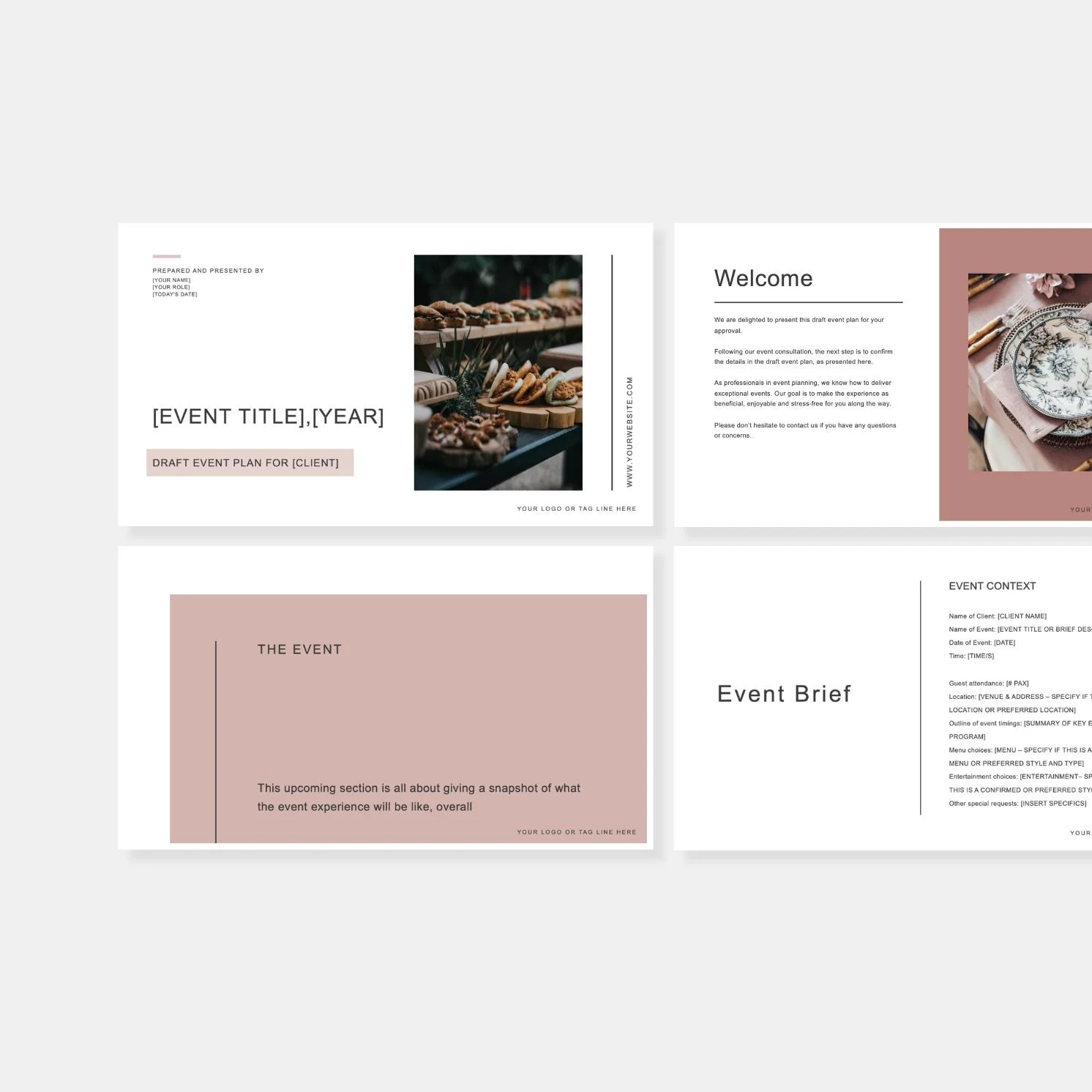
Event Sponsorships: You don't need to know everything before you start, but you do need a professional event sponsorship proposal. Get it in the Event Sponsorship Kit.
→ If you found this useful, feel free to share it with a fellow event planner or your event network. They’ll appreciate you passing it on.
Related Reads


Meet Your Mentor
Rachella Thomas is an award-winning event producer with more than 26 years of experience delivering major events. Her work includes the Australian Open, Commonwealth Games Queen’s Baton Relay, Melbourne Food & Wine Festival, and other renowned large-scale events and festivals.
Rachella founded Event Kit, where she turns decades of professional event know-how into practical tools for event planners worldwide.
Learn More → ABOUT
Want to try Event Kit?
Get a professional Event Run Sheet template for free!




Description
Event Sponsorship Kit
Designed for:
Event planners, producers and organizations seeking sponsors, commercial partners and event funding.
Helps you:
Give potential sponsors a reason to say yes. Create professional sponsorship packages, proposals and agreements that clearly communicate your event’s value to potential sponsors.
What’s included:
EXCEL
• Sponsor Benefits Schedule
PDF
• How to Build Event Sponsor Packages
POWERPOINT
• Event Sponsorship Proposal Deck
• Creative Event Plan Pitch Deck
WORD
• Event Sponsorship Agreement
Plus:
• Built-in planning tips and guidance notes
• AI prompts to help you work faster
Pairs well with:
Any collection in the shop. There's no wrong combination — grab what fits your events and build from there.
Note: This is a digital product. No physical item is shipped.
Customer Service
Within a few minutes of purchase, you’ll receive an email with a link to download your files. The download link expires after 24 hours. If you can’t find the email, please check your Spam or Junk folder.
Need help getting started?
Notes and instructions are built into our templates to give you structure, guidance and practical real-life examples. These are not blank templates. They’re designed to guide you as you use them.
Still got questions?
Template Manual
FAQs
Contact Us
Template License
Event Kit templates are licensed for use by one business or sole operator. You can edit, customize and reuse them across every client, event, and project your business handles. Add your own branding, update colors and fonts, remove sections you don't need, and adapt the content to suit you.
Read full Template License