
Behind the Template: Perfectly Handwritten
EVENT PLANNING GUIDE
Behind the Template: Perfectly Handwritten
Updated on August 04, 2026 | Written by Rachella Thomas

I was never interested in creating templates that simply ask you to fill in the blanks. What I kept coming back to was how I could get years of experience onto the page.
The little reminders experienced event planners carry around in their heads, but rarely write down. The questions you learn to ask. The things you know to check because you've seen what happens when nobody does. The kind of notes you wish someone had left in the margin before you started.
So I started adding them.
Some prompt you to stop and think before filling in a section. Others explain what information you need to collect, what to consider, or what might become important later. And sometimes they're simply notes from me about something I've learned along the way.
The idea was never to turn every template into a lesson in event planning. It was to put more of the useful stuff on the page.

What Makes It Onto the Page
This was actually harder than it sounds.
After decades in events, I do plenty of things without really thinking about them anymore. Questions I automatically ask. Details I notice when I walk into a venue. Things I know need to happen three weeks out because they'll cause problems three days out if they don't.
When you know something that well, you forget you had to learn it.
So while building Event Kit, I've had to pull apart my own process and ask: what would I want someone to know here?
That's where a lot of the notes, prompts and placeholder information come from.
A run sheet might remind you about information that needs to be confirmed before event day. A site inspection document might prompt you to look at something you could easily walk straight past. A budget might include categories you hadn't thought to allow for yet.
Not every piece of advice needs a paragraph. Sometimes a few words in the right place are enough.
The Result
Event Kit templates aren't blank documents dressed up as event templates. They're working documents with a bit of my experience left behind.
You can delete the notes. Change the prompts. Ignore the bits you already know. They're there to help when you need them and disappear when you don't.
And I think that's much closer to how event knowledge is actually passed on anyway. Not through enormous manuals or perfect step-by-step instructions, but through someone leaning over your shoulder and saying:
“Oh, and don't forget this.”
Want to see what it’s all about? Explore Event Kit templates
→ If you found this useful, feel free to share it with a fellow event planner or your event network. They’ll appreciate you passing it on.
Related Reads

What happens when a major event supplier pulls out at the last minute? A real-world example of supplier risk management, contingency planning and why industry relationships matter.

What makes me take a second look at someone's event planning portfolio? You need to show me what you can do.

Even after decades in events, the post-event slump still catches me off guard. That strange mix of relief, exhaustion, satisfaction and sadness when a big event is finally over.

Meet Your Mentor
Rachella Thomas is an award-winning event producer with more than 26 years of experience delivering major events. Her work includes the Australian Open, Commonwealth Games Queen’s Baton Relay, Melbourne Food & Wine Festival, and other renowned large-scale events and festivals.
Rachella founded Event Kit, where she turns decades of professional event know-how into practical tools for event planners worldwide.
Learn More → ABOUT
Description
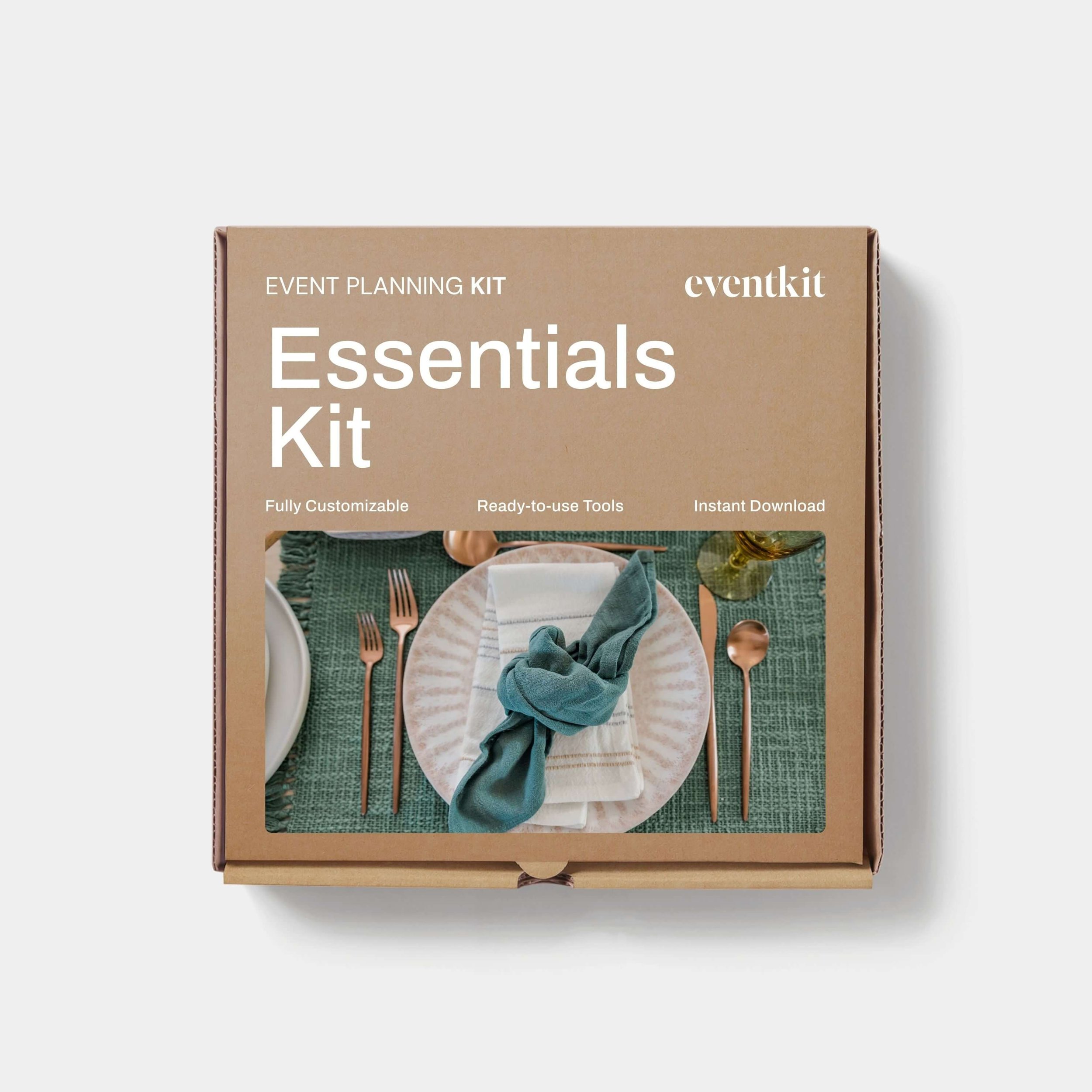
Event Planning Essentials Kit
Designed for:
Event planners and professionals who want a complete, proven system to plan and manage an event from start to finish. This is Event Kit’s signature complete event-planning framework.
Helps you:
Manage the moving parts of an event in one organized system, with professional templates for planning, budgets, suppliers, logistics, risk and event day.
What’s included:
EXCEL
• Event Budget
• Event Budget Detailed Forecast
• Event Delivery Plan
• Event Entertainment Bookings
• Event Equipment and Supplier Bookings
• Event Plan Timeline
• Event Project Management Plan
• Event Promotions Plan
• Event Run Sheet
• Event Signage Plan
PDF
• 13 Strategic Questions for Better Events
• Essential Event Terms Glossary
• Essentials Event Planning Guide
• Event Brief Writing Guide
• Event Plan Master Checklist
• Event Promotions Planning Guide
• Event Risk Management Guide
• Event Run Sheet User Guide
• Event Ticketing Pricing Guide
• Event Venue Bookings 10-Step Guide
• Event Venue Selection Cheat Sheet
WORD
• 12 Pre-Written Emails for Planning Public Events
• 90 Post-Event Survey Questions
• Event Brief
• Event Contact List
• Event Kit Checklist
• Event Risk Assessment Matrix
• Event Sign-in Sheet
• Event Signage Installation Checklist
• Post-Event Debrief Report
• Public Event Permit Checklist
Plus:
• Built-in planning tips and guidance notes
• AI prompts to help you work faster
Pairs well with:
Any collection in the shop. There's no wrong combination — grab what fits your events and build from there.
Note: This is a digital product. No physical item is shipped.
Customer Service
Within a few minutes of purchase, you’ll receive an email with a link to download your files. The download link expires after 24 hours. If you can’t find the email, please check your Spam or Junk folder.
Need help getting started?
Notes and instructions are built into our templates to give you structure, guidance and practical real-life examples. These are not blank templates. They’re designed to guide you as you use them.
Still got questions?
Template License
Event Kit templates are licensed for use by one business or sole operator. You can edit, customize and reuse them across every client, event, and project your business handles. Add your own branding, update colors and fonts, remove sections you don't need, and adapt the content to suit you.
Read full Template License
Description
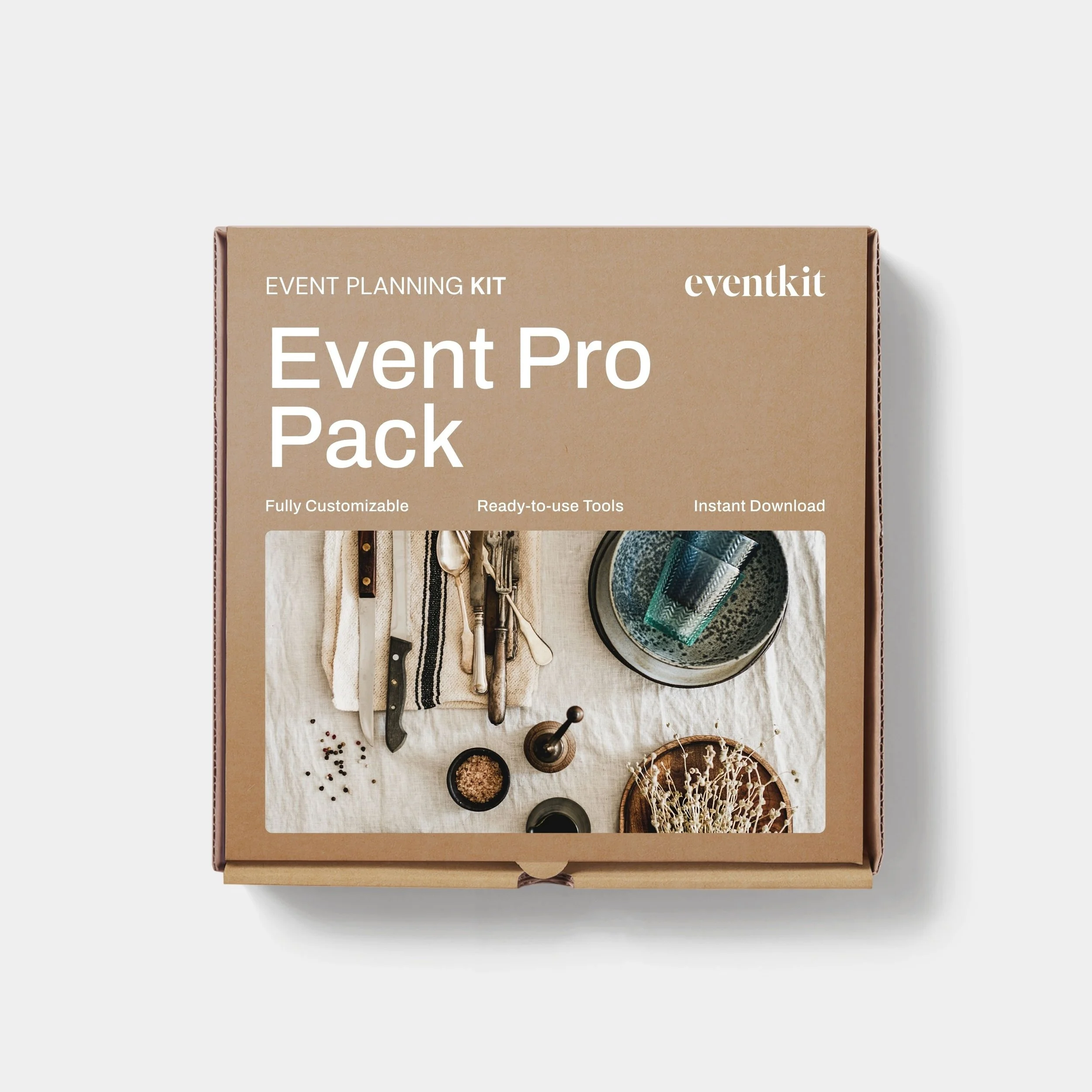
Event Planning Pro Pack
Designed for:
Event agencies, consultants and professionals managing multiple clients, projects and event types who want a comprehensive library of proven planning tools.
Helps you:
Buy once. Be ready for whatever lands next. Build a professional event-planning system you can use across different clients and event types, without creating documents and processes from scratch.
What’s included:
• Essentials Kit
• Conferences Kit
• Trade Shows Kit
• Gala Events Kit
• Weddings Kit
• Festivals Kit
• Risk Management Kit
• Volunteers Kit
• Sponsorship Kit
• Event Planning Business Kit
Plus:
• Built-in planning tips and guidance notes
• AI prompts to help you work faster
Note: This is a digital product. No physical item is shipped.
Customer Service
Within a few minutes of purchase, you’ll receive an email with a link to download your files. The download link expires after 24 hours. If you can’t find the email, please check your Spam or Junk folder.
Need help getting started?
Notes and instructions are built into our templates to give you structure, guidance and practical real-life examples. These are not blank templates. They’re designed to guide you as you use them.
Still got questions?
Template License
Event Kit templates are licensed for use by one business or sole operator. You can edit, customize and reuse them across every client, event, and project your business handles. Add your own branding, update colors and fonts, remove sections you don't need, and adapt the content to suit you.
Read full Template License
Description
Conference Planning Kit
Designed for:
Conference organizers, associations and corporate event teams planning professional conferences, meetings and business events.
Helps you:
Manage conference schedules, speakers, travel, budgets, logistics and event-day delivery with a proven set of professional planning tools.
What’s included:
EXCEL
• Accommodation and Travel Logistics
• Conference Cue Sheet
• Event Budget: Conferences
• Event Delivery Plan
• Event Plan Timeline: Conferences
• Event Run Sheet: Conferences
• Event Signage Plan
PDF
• Audio Visual Tips to Improve Your Event
• Event Run Sheet User Guide
• Event Timeline for Conferences
• How to Pick the Perfect Event Venue
WORD
• 7 Pre-Written Emails for Conference Speaker Management
• Conference Program Agenda Schedule
• Conference Showbook
• Conference Work in Progress
• Event Contact List
• Event Courier Label
• Event Kit Checklist
• Event Vendor Contract
• Vendor Event Manual
• Venue Comparison Chart: Corporate
• Venue Inspection Audit Checklist
Plus:
• Built-in planning tips and guidance notes
• AI prompts to help you work faster
Pairs well with:
Any collection in the shop. There's no wrong combination — grab what fits your events and build from there.
Note: This is a digital product. No physical item is shipped.
Customer Service
Within a few minutes of purchase, you’ll receive an email with a link to download your files. The download link expires after 24 hours. If you can’t find the email, please check your Spam or Junk folder.
Need help getting started?
Notes and instructions are built into our templates to give you structure, guidance and practical real-life examples. These are not blank templates. They’re designed to guide you as you use them.
Still got questions?
Template License
Event Kit templates are licensed for use by one business or sole operator. You can edit, customize and reuse them across every client, event, and project your business handles. Add your own branding, update colors and fonts, remove sections you don't need, and adapt the content to suit you.
Read full Template License
Description
Trade Shows Kit
Designed for:
Corporate event planners and teams managing trade shows, exhibitions, expos and exhibitor activations.
Helps you:
Manage exhibitors, suppliers, budgets, timelines, travel and event logistics with professional planning tools built for trade shows and exhibitions.
What’s included:
EXCEL
• Accommodation and Travel Logistics
• Event Budget: Trade Shows
• Event Delivery Plan
• Event Plan Timeline: Trade Shows
• Event Run Sheet
• Event Signage Plan
• Exhibitor Project Planner
• Site Specifications for Trade Shows
PDF
• Event Run Sheet User Guide
• How to Pick the Perfect Event Venue
WORD
• Event Contact List
• Event Courier Label
• Event Kit Checklist
• Event Vendor Contract
• Exhibition Showbook
• Exhibitor Event Manual
• Exhibitor Invitation Email
• Exhibitor Invitation Proposal
• Vendor Event Manual
• Venue Comparison Chart: Corporate
• Venue Inspection Audit Checklist
Plus:
• Built-in planning tips and guidance notes
• AI prompts to help you work faster
Pairs well with:
Any collection in the shop. There's no wrong combination — grab what fits your events and build from there.
Note: This is a digital product. No physical item is shipped.
Customer Service
Within a few minutes of purchase, you’ll receive an email with a link to download your files. The download link expires after 24 hours. If you can’t find the email, please check your Spam or Junk folder.
Need help getting started?
Notes and instructions are built into our templates to give you structure, guidance and practical real-life examples. These are not blank templates. They’re designed to guide you as you use them.
Still got questions?
Template License
Event Kit templates are licensed for use by one business or sole operator. You can edit, customize and reuse them across every client, event, and project your business handles. Add your own branding, update colors and fonts, remove sections you don't need, and adapt the content to suit you.
Read full Template License
Description
Community Festivals Planning Kit
Designed for:
Festival producers, community event organizers and event planners managing large-scale, public and outdoor events.
Helps you:
Manage budgets, permits, suppliers, programming, production and event-day logistics with professional templates built for community festivals and public events.
What’s included:
EXCEL
• Event Budget: Public Events and Festivals
• Event Delivery Plan
• Event Entertainment Bookings
• Event Equipment and Supplier Bookings
• Event Plan Timeline: Festivals
• Event Production Schedule
• Event Run of Show
• Event Signage Plan
• Site Specifications for Festivals
• Stage Program Plan
PDF
• Event Brief Writing Guide
• Event Timeline for Small Festivals
POWERPOINT
• Outdoor Event Site Map
WORD
• 12 Pre-Written Emails for Planning Public Events
• Event Brief
• Event Contact List
• Event Kit Checklist
• Event Management Plan
• Event Site Safety Checklist
• Lost Child Checklist
• Lost Property Logbook
• Outdoor Venue Audit Checklist
• Public Event Permit Checklist
• Vendor Event Manual
Plus:
• Built-in planning tips and guidance notes
• AI prompts to help you work faster
Pairs well with:
Any collection in the shop. There's no wrong combination — grab what fits your events and build from there.
Note: This is a digital product. No physical item is shipped.
Customer Service
Within a few minutes of purchase, you’ll receive an email with a link to download your files. The download link expires after 24 hours. If you can’t find the email, please check your Spam or Junk folder.
Need help getting started?
Notes and instructions are built into our templates to give you structure, guidance and practical real-life examples. These are not blank templates. They’re designed to guide you as you use them.
Still got questions?
Template License
Event Kit templates are licensed for use by one business or sole operator. You can edit, customize and reuse them across every client, event, and project your business handles. Add your own branding, update colors and fonts, remove sections you don't need, and adapt the content to suit you.
Read full Template License
Description
Gala Event Planning & Awards Kit
Designed for:
Event planners producing gala dinners, awards nights, fundraising events and formal functions.
Helps you:
Keep every cue, course and celebration on schedule. Plan budgets, guests, seating, catering, stage programs and event-day delivery with professional templates built for gala and awards events.
What’s included:
EXCEL
• Awards Event Cue Sheet
• Banquet Event Order Catering Costs
• Event Budget: Gala Events
• Event Plan Timeline: Gala Events
• Event Run Sheet: Gala Events
• Event Signage Plan
• Guest List and RSVP
• Guest Seating Chart
• Stage Program Plan
PDF
• Audio Visual Tips to Improve Your Event
• Event Run Sheet User Guide
• Event Timeline for Gala Events
• Mood Board Strategy for Events
POWERPOINT
• Creative Event Plan Pitch Deck
WORD
• Awards Program Agenda Schedule Guide
• Banquet Event Order
• Event Contact List
• Event Kit Checklist
• Event Plan for Special Occasions
• Event Planning Questions for Functions
• Special Occasion Full Service Quote
• Venue Comparison Chart: Functions
Plus:
• Built-in planning tips and guidance notes
• AI prompts to help you work faster
Pairs well with:
Any collection in the shop. There's no wrong combination — grab what fits your events and build from there.
Note: This is a digital product. No physical item is shipped.
Customer Service
Within a few minutes of purchase, you’ll receive an email with a link to download your files. The download link expires after 24 hours. If you can’t find the email, please check your Spam or Junk folder.
Need help getting started?
Notes and instructions are built into our templates to give you structure, guidance and practical real-life examples. These are not blank templates. They’re designed to guide you as you use them.
Still got questions?
Template License
Event Kit templates are licensed for use by one business or sole operator. You can edit, customize and reuse them across every client, event, and project your business handles. Add your own branding, update colors and fonts, remove sections you don't need, and adapt the content to suit you.
Read full Template License
Description
Wedding Planning Kit
Designed for:
Wedding planners, event professionals and venues planning and delivering weddings and private celebrations.
Helps you:
When perfection feels non-negotiable. Manage budgets, timelines, guests, seating, catering and wedding-day logistics with professional templates built for smooth event delivery.
Included in this product:
EXCEL
• Banquet Event Order Catering Costs
• Event Budget: Weddings
• Event Plan Timeline: Weddings
• Event Run Sheet: Wedding Day
• Guest List and RSVP
• Guest Seating Chart
• Wedding Project Planner
PDF
• Audio Visual Tips to Improve Your Event
• Event Run Sheet User Guide
• Event Timeline for Weddings
• Mood Board Strategy for Events
POWERPOINT
• Creative Event Plan Pitch Deck
WORD
• Banquet Event Order
• Event Contact List
• Event Kit Checklist
• Event Photographer Contract
• Event Planning Questions for Functions
• Venue Comparison Chart: Functions
• Wedding Day Sample Schedules
• Wedding Planner Booking Form
• Wedding Planner Contract
• Wedding Planner Services Proposal Quote
• Wedding Venue Selection Checklist
• Weddings Simple To-Do Checklist
Plus:
• Built-in planning tips and guidance notes
• AI prompts to help you work faster
Pairs well with:
Any collection in the shop. There's no wrong combination — grab what fits your events and build from there.
Note: This is a digital product. No physical item is shipped.
Customer Service
Within a few minutes of purchase, you’ll receive an email with a link to download your files. The download link expires after 24 hours. If you can’t find the email, please check your Spam or Junk folder.
Need help getting started?
Notes and instructions are built into our templates to give you structure, guidance and practical real-life examples. These are not blank templates. They’re designed to guide you as you use them.
Still got questions?
Template License
Event Kit templates are licensed for use by one business or sole operator. You can edit, customize and reuse them across every client, event, and project your business handles. Add your own branding, update colors and fonts, remove sections you don't need, and adapt the content to suit you.
Read full Template License
Description
Event Risk Management Kit
Designed for:
Event planners and professionals responsible for risk assessments, safety planning, emergency procedures and incident management at events.
Helps you:
Plan for the worst. Hope for the best. Identify, assess and manage event risks with professional templates for risk assessments, safety controls, emergency planning and incident reporting.
What’s included:
PDF
• Event Risk Management Guide
• Key Risks for Public Events and Festivals
POWERPOINT
• Event Volunteer Safety Briefing Presentation
WORD
• Emergency Announcement Scripts
• Event Incident Report
• Event Management Plan
• Event Risk Alcohol Safety Checklist
• Event Risk Assessment Matrix
• Event Risk Controls Checklist
• Event Risk Management Plan
• Event Risk Planning Checklist
• Event Risk Pre-Open Checklist
• Event Risk Stage Safety Checklist
• Event Site Safety Checklist
• Lost Child Checklist
• Lost Property Logbook
Plus:
• Built-in planning tips and guidance notes
• AI prompts to help you work faster
Pairs well with:
Any collection in the shop. There's no wrong combination — grab what fits your events and build from there.
Note: This is a digital product. No physical item is shipped.
Customer Service
Within a few minutes of purchase, you’ll receive an email with a link to download your files. The download link expires after 24 hours. If you can’t find the email, please check your Spam or Junk folder.
Need help getting started?
Notes and instructions are built into our templates to give you structure, guidance and practical real-life examples. These are not blank templates. They’re designed to guide you as you use them.
Still got questions?
Template License
Event Kit templates are licensed for use by one business or sole operator. You can edit, customize and reuse them across every client, event, and project your business handles. Add your own branding, update colors and fonts, remove sections you don't need, and adapt the content to suit you.
Read full Template License
Description
Volunteer Management Kit
Designed for:
Event planners, festival producers and organizations recruiting and managing volunteer teams for events.
Helps you:
Build a volunteer team that’s informed and ready. Recruit, organize and manage event volunteers with professional templates for applications, rosters, policies, communications, agreements and safety briefings.
What’s included:
EXCEL
• Event Volunteer Applications Register
• Event Volunteer Roster
PDF
• Event Volunteer Application Form Guide
• Event Volunteer Management Guide
• How to Build an Event Volunteer Policy
• Recruiting Volunteers for Events
POWERPOINT
• Event Volunteer Safety Briefing Presentation
WORD
• 7 Pre-Written Emails for Event Volunteer Management
• Event Sign-in Sheet
• Event Volunteer Agreement
• Event Volunteer Application Form
• Event Volunteer Attendance Register
• Event Volunteer Certificate
• Event Volunteer Expectations Statement
• Event Volunteer Manual
• Event Volunteer Medical Form
• Event Volunteer Position Description
• Event Volunteer Safety Induction Checklist
• Event Volunteer Safety Induction Register
• Event Volunteer Waiver Form
Plus:
• Built-in planning tips and guidance notes
• AI prompts to help you work faster
Pairs well with:
Any collection in the shop. There's no wrong combination — grab what fits your events and build from there.
Note: This is a digital product. No physical item is shipped.
Customer Service
Within a few minutes of purchase, you’ll receive an email with a link to download your files. The download link expires after 24 hours. If you can’t find the email, please check your Spam or Junk folder.
Need help getting started?
Notes and instructions are built into our templates to give you structure, guidance and practical real-life examples. These are not blank templates. They’re designed to guide you as you use them.
Still got questions?
Template License
Event Kit templates are licensed for use by one business or sole operator. You can edit, customize and reuse them across every client, event, and project your business handles. Add your own branding, update colors and fonts, remove sections you don't need, and adapt the content to suit you.
Read full Template License
Description
Event Sponsorship Kit
Designed for:
Event planners, producers and organizations seeking sponsors, commercial partners and event funding.
Helps you:
Give potential sponsors a reason to say yes. Create professional sponsorship packages, proposals and agreements that clearly communicate your event’s value to potential sponsors.
What’s included:
EXCEL
• Sponsor Benefits Schedule
PDF
• How to Build Event Sponsor Packages
POWERPOINT
• Event Sponsorship Proposal Deck
• Creative Event Plan Pitch Deck
WORD
• Event Sponsorship Agreement
Plus:
• Built-in planning tips and guidance notes
• AI prompts to help you work faster
Pairs well with:
Any collection in the shop. There's no wrong combination — grab what fits your events and build from there.
Note: This is a digital product. No physical item is shipped.
Customer Service
Within a few minutes of purchase, you’ll receive an email with a link to download your files. The download link expires after 24 hours. If you can’t find the email, please check your Spam or Junk folder.
Need help getting started?
Notes and instructions are built into our templates to give you structure, guidance and practical real-life examples. These are not blank templates. They’re designed to guide you as you use them.
Still got questions?
Template License
Event Kit templates are licensed for use by one business or sole operator. You can edit, customize and reuse them across every client, event, and project your business handles. Add your own branding, update colors and fonts, remove sections you don't need, and adapt the content to suit you.
Read full Template License
Description
Event Planning Business Kit
Designed for:
Freelance event planners, consultants and event professionals starting, managing or growing their own event planning business.
Helps you:
Build the event business you imagined when you started. Run the business behind your events with professional tools for pricing, quoting, client management, project planning, finances and day-to-day operations.
What’s included:
EXCEL
• Client Income Tracker
• Day Rate Calculator
• Event Budget Client Presentation
• Event Planning Gantt Chart
• Event Project Fee Estimator
• Event Services Quote
• Event Services Tax Invoice
• Event Team Work in Progress
• Project Management High Level
• Project Planning Calendar
PDF
• 5 Simple Ways to Get More Clients
• Annual Event Business Checklist
• Event Manager’s Task Planner
• Event Services Fee Pricing Guide
POWERPOINT
• Event Management Service Proposal
• Event Services Pitch Proposal Deck
WORD
• 20 Pre-Written Emails to Win More Clients
• Client Reverse Brief
• Event Photographer Contract
• Event Services Contract
• Event Team Meeting Agenda
• Event Team Meeting Minutes
• Event Vendor Contract
• Photograph Release Form
• Post-Event Client Debrief Report
• Wedding Planner Contract
Plus:
• Built-in planning tips and guidance notes
• AI prompts to help you work faster
Pairs well with:
Any collection in the shop. There's no wrong combination — grab what fits your events and build from there.
Note: This is a digital product. No physical item is shipped.
Customer Service
Within a few minutes of purchase, you’ll receive an email with a link to download your files. The download link expires after 24 hours. If you can’t find the email, please check your Spam or Junk folder.
Need help getting started?
Notes and instructions are built into our templates to give you structure, guidance and practical real-life examples. These are not blank templates. They’re designed to guide you as you use them.
Still got questions?
Template License
Event Kit templates are licensed for use by one business or sole operator. You can edit, customize and reuse them across every client, event, and project your business handles. Add your own branding, update colors and fonts, remove sections you don't need, and adapt the content to suit you.
Read full Template License
Want to try Event Kit?
Get a professional Event Run Sheet template for free!
Popular Reads


Five practical ways to use AI with your Event Kit templates, from completing documents and organising event information to reviewing plans and creating supporting materials.
There's a lot of sophisticated event management software out there. But after 26+ years in events, I still believe some of the most useful planning tools are the simplest.

How we use ChatGPT for event planning, from brainstorming creative ideas to marketing, event operations and working with templates.
60+ practical AI prompts for event planning, including budgets, run sheets, risk management, timelines, venues, emails and more.

Description
Event Planning Starter Kit
Designed for:
Designed for new event planners who want a professional starting point without building every document from scratch.
Helps you:
When you’re new to events or just an occasional event organizer.
What’s included:
EXCEL
• Event Budget
• Event Plan Timeline
• Event Run Sheet
PDF
• Event Brief Writing Guide
• Event Plan Master Checklist
• Event Risk Management Guide
• Event Run Sheet User Guide
WORD
• Event Brief
• Event Risk Assessment Matrix
Plus:
• Built-in planning tips and guidance notes
• AI prompts to help you work faster
Pairs well with:
Any collection in the shop. There's no wrong combination — grab what fits your events and build from there.
Note: This is a digital product. No physical item is shipped.
Customer Service
Within a few minutes of purchase, you’ll receive an email with a link to download your files. The download link expires after 24 hours. If you can’t find the email, please check your Spam or Junk folder.
Need help getting started?
Notes and instructions are built into our templates to give you structure, guidance and practical real-life examples. These are not blank templates. They’re designed to guide you as you use them.
Still got questions?
Template Manual
FAQs
Contact Us
Template License
Event Kit templates are licensed for use by one business or sole operator. You can edit, customize and reuse them across every client, event, and project your business handles. Add your own branding, update colors and fonts, remove sections you don't need, and adapt the content to suit you.
Read full Template License