
What Makes a Good Event Planning Portfolio?
EVENT PLANNING GUIDE
What Makes a Good Event Planning Portfolio?
Updated on October 9, 2026 | Written by Rachella Thomas

What makes me take a second look at someone's event planning portfolio?
It's not necessarily the big-name events they've worked on or the beautiful photographs. It's whether I can see that they actually contributed.
I've worked with plenty of people across all kinds of events over the years, and there's a big difference between being part of an impressive event and having an impressive role in delivering it.
And if you're just starting out, that's actually good news. You don't need a portfolio full of major festivals, conferences or sporting events to make an impression.
You need to show me what you can do.
Tell me what you actually did
Ok so what does this mean? If you've worked on a major festival, conference, or sporting event, that's great and possibly impressive. But I want to know what your role was.
Did you manage suppliers? Coordinate volunteers? Look after logistics? Or did you have a more limited role, such as giving directions to visitors on event day?
Saying you worked on an event attended by 50,000 people tells me something about the project's scale, but very little about your experience. Saying you coordinated 40 volunteers across three event sites, managed their rosters, and handled last-minute changes gives me a much better sense of what you can do.
And don't underestimate the smaller responsibilities. Sometimes the most valuable experience comes from being given a job, taking ownership, and seeing it through.
Small events count too
I've worked on some very large events, but I wouldn't automatically favour someone who worked a minor role in a major international event over someone who managed a small community festival. It depends entirely on what they did.
Don't dismiss your experience because the event wasn't particularly glamorous or well-known. The responsibility you took on, the decisions you made and what you learned along the way are all worth talking about.
I want to know how you think
Most portfolios show the finished event. You know what I mean: think of Instagram pages and websites that showcase beautifully dressed tables, the stage, the crowd, and the entertainment. That’s the kind of portfolio I present for my years of event work.
But when hiring, I also like to know what happened behind the scenes.
What was challenging about the project? What decisions did you have to make? Did anything go wrong, and how did you handle it?
You don't need to turn every event into a dramatic case study. Sometimes a simple example is enough.
Think about the problems you've solved along the way. Perhaps a supplier pulled out, and you found a creative alternative. Maybe the budget was reduced, and you had to rethink part of the event.
These interest me because they show your judgement and how you approach your work. When I bring someone onto an event, I want to know they'll recognise a problem, think it through, and take appropriate action.
A beautiful event photograph can't tell me that.
Think about the work you want
Your portfolio doesn't need to be a complete history of every event you've ever worked on. In fact, I don’t want it to be.
If you're hoping to move into event operations, I'd expect to see examples of your operational experience. If you're interested in creative production, show me where you've helped develop concepts, work with designers, or bring an event experience together.
Don't make me search through pages of unrelated experience to find what I'm looking for. Think about the project you're pitching for and put your most relevant work first.
Your event portfolio should help me understand how much experience you have across the relevant stages of planning and delivery.
Keep the presentation simple
You don't always need an event portfolio website. A well-presented PDF is often enough, especially when you're starting out.
Here’s what I am looking for: a brief overview of what you’ve worked on, who it was for, the project's scale, and your role.
A few strong photographs help spark my imagination, and testimonials from clients, employers, or colleagues reassure me. I particularly like feedback that speaks to someone's reliability, professionalism or ability to handle difficult situations.
I'd also encourage you to keep the layout consistent and make the information easy to find. Someone considering you for a project may be looking through several portfolios, and they shouldn't have to spend 20 minutes figuring out whether you have the experience they need.
And please don't feel you need to fill every page. A handful of well-explained projects can make a much stronger impression than a 30-page document full of photographs and very little information.
If you're putting together presentations and proposals for prospective clients, our Event Kit Pitches & Proposals Bundle has ready-made templates you can adapt to present your ideas and services professionally.
Your portfolio will grow with you
If you're still early in your career, your portfolio might only include two or three projects. Don’t panic; that's perfectly fine. Start with what you've done and build on it as you gain more experience.
One habit I'd encourage you to develop is collecting material as you go. Keep photographs, save positive feedback, and make a few notes about your responsibilities and any challenges you faced. It's surprisingly easy to forget project details once you've moved on to the next one.
Over time, you'll likely replace older projects with newer work, or shift what you highlight as your career develops. The events you're proud of today might not be the ones you choose to feature in five years.
That's how it should be. Your portfolio reflects where you are professionally, and it should change as you do.
One last piece of advice: be honest
Don't try to make yourself look more experienced than you are.
If you're starting out, say you're starting out. If you've worked on five events, show me what you learned. You don't need to pretend you've managed an entire festival when you were responsible for one part of it.
I'd much rather work with someone who understands their capabilities, communicates clearly and knows when to ask questions than someone who's trying to convince me they can do everything.
Experience matters, of course. But so do reliability, initiative, good judgement and the ability to work with other people. You can start demonstrating those qualities long before you've built an impressive list of event credits.
Ultimately, your portfolio isn't just a record of the events you've worked on. It's an opportunity to show someone what they can expect when they work with you.
And that's what I'd want you to focus on.
→ If you found this useful, feel free to share it with a fellow event planner or your event network. They’ll appreciate you passing it on.
Related Reads


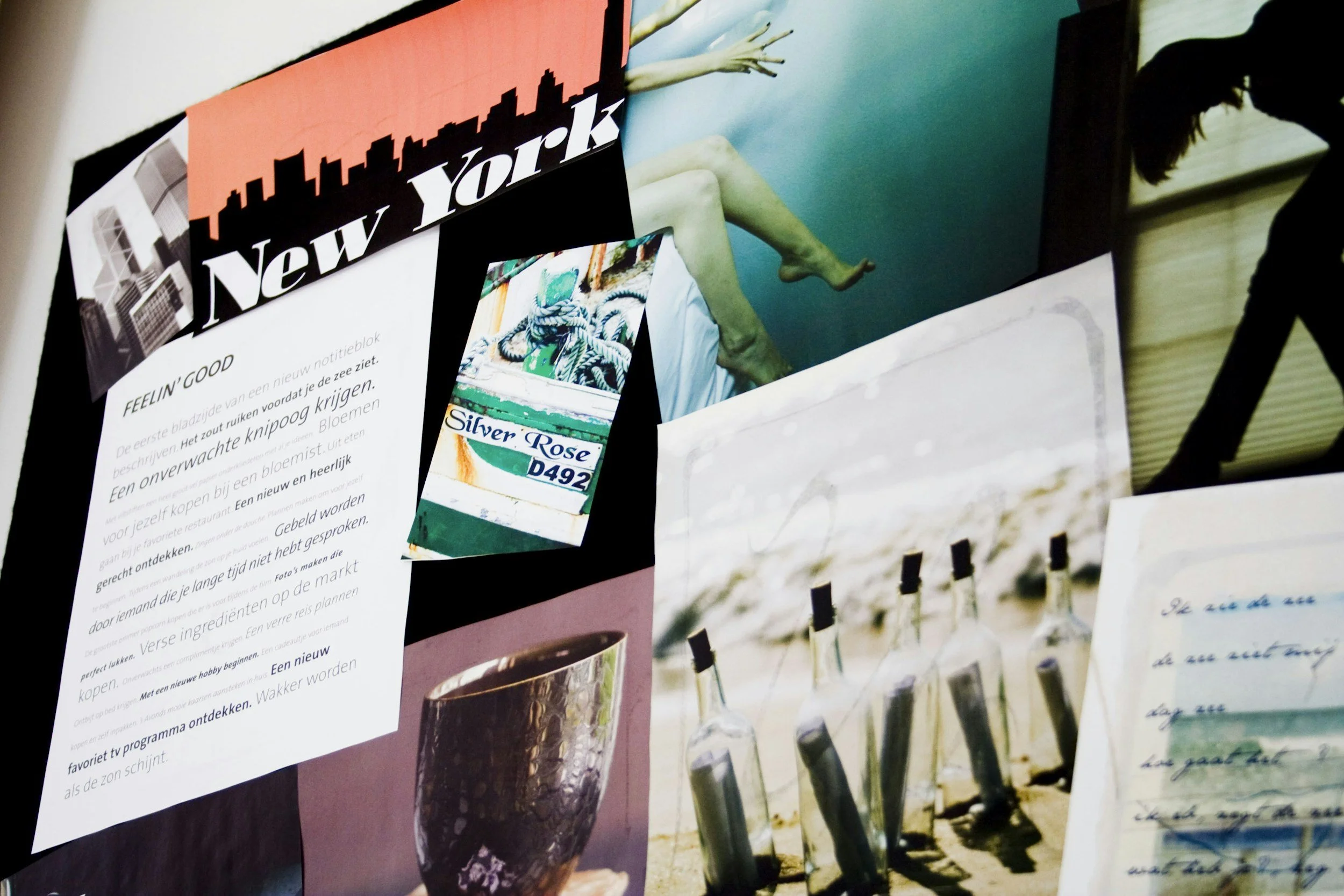

Meet Your Mentor
Rachella Thomas is an award-winning event producer with more than 26 years of experience delivering major events. Her work includes the Australian Open, Commonwealth Games Queen’s Baton Relay, Melbourne Food & Wine Festival, and other renowned large-scale events and festivals.
Rachella founded Event Kit, where she turns decades of professional event know-how into practical tools for event planners worldwide.
Learn More → ABOUT
Want to try Event Kit?
Get a professional Event Run Sheet template for free!



Description
Event Planning Starter Kit
Designed for:
Designed for new event planners who want a professional starting point without building every document from scratch.
Helps you:
When you’re new to events or just an occasional event organizer.
What’s included:
EXCEL
• Event Budget
• Event Plan Timeline
• Event Run Sheet
PDF
• Event Brief Writing Guide
• Event Plan Master Checklist
• Event Risk Management Guide
• Event Run Sheet User Guide
WORD
• Event Brief
• Event Risk Assessment Matrix
Plus:
• Built-in planning tips and guidance notes
• AI prompts to help you work faster
Pairs well with:
Any collection in the shop. There's no wrong combination — grab what fits your events and build from there.
Note: This is a digital product. No physical item is shipped.
Customer Service
Within a few minutes of purchase, you’ll receive an email with a link to download your files. The download link expires after 24 hours. If you can’t find the email, please check your Spam or Junk folder.
Need help getting started?
Notes and instructions are built into our templates to give you structure, guidance and practical real-life examples. These are not blank templates. They’re designed to guide you as you use them.
Still got questions?
Template Manual
FAQs
Contact Us
Template License
Event Kit templates are licensed for use by one business or sole operator. You can edit, customize and reuse them across every client, event, and project your business handles. Add your own branding, update colors and fonts, remove sections you don't need, and adapt the content to suit you.
Read full Template License