
How to Write an Event Risk Assessment
EVENT PLANNING GUIDE
How to Write an Event Risk Assessment
Updated on October 8, 2026 | Written by Rachella Thomas
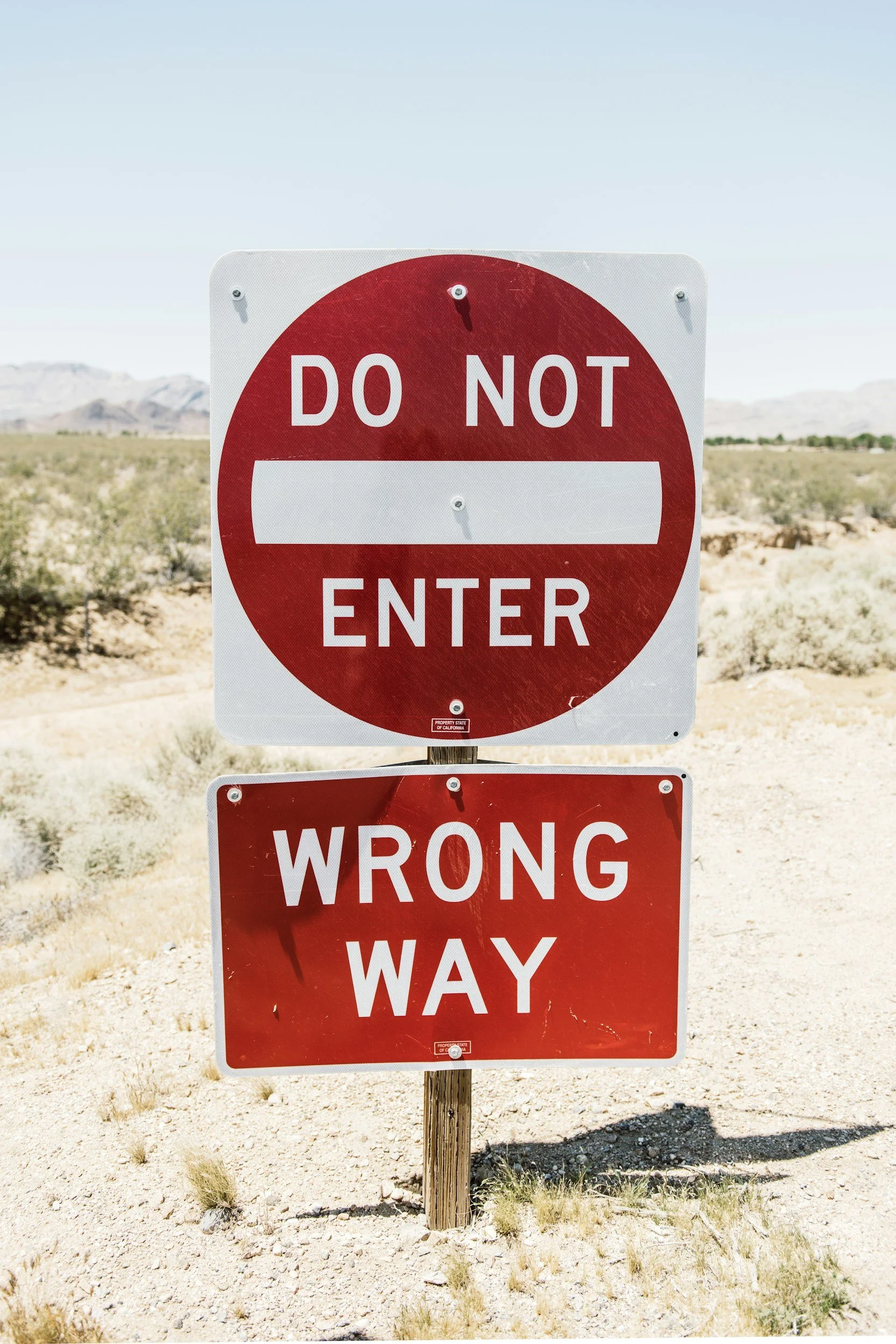
An event risk assessment helps you identify what could go wrong, understand the potential consequences, and decide how to prevent or manage those risks.
It's an important part of event planning, but knowing where to start can be difficult, particularly when you're looking at a blank risk assessment template.
The good news is that the process itself is fairly straightforward. What matters is the thinking behind it.
I've worked on events where a concise risk assessment covering the key hazards and controls was more useful than pages of generic risks that had little relevance to the event.
The goal isn't to produce the longest document. It's to identify the risks that matter and make sure they're properly managed. Here's how I'd approach it.
Step 1: Identify the Hazards
Start by looking at your event and identifying anything that could cause harm.
Think about the venue, activities, equipment, suppliers, staff and audience. Consider what happens during setup, throughout the event and during pack-down.
Depending on your event, hazards might involve:
Vehicle and pedestrian movements
Temporary structures and equipment
Electrical installations
Weather conditions
Crowd movement and congestion
Slips, trips and falls
Working at heights
Fire and emergency access
Food preparation and service
Don't simply copy a list of hazards from another event. Use it as a prompt, but consider what's actually happening at yours.
A site visit is particularly useful here. Walk through the venue, review the proposed activities, and speak with the people responsible for delivering them.
Your suppliers will often identify hazards specific to their work that you may not have considered.
Step 2: Understand the Risk
Once you've identified a hazard, consider what could happen because of it.
A hazard is something with the potential to cause harm. Risk considers how likely that harm is and how serious the consequences could be.
For example, moving vehicles near pedestrian areas present a potential collision hazard. Your assessment needs to consider who could be affected, how an incident might happen and how serious the outcome could be.
Ask yourself:
Who could be harmed?
How could it happen?
How likely is it?
How serious could the consequences be?
Many risk assessment templates use a risk matrix to help evaluate likelihood and consequence.
The matrix can help you prioritise risks, but don't get too caught up in assigning numbers.
The important part is understanding the risk well enough to decide what to do about it.
Step 3: Decide How You'll Control the Risk
This is where the assessment becomes useful.
For each risk, consider what measures are already in place and what else is needed to eliminate or reduce it.
Start by asking whether you can remove the hazard altogether.
If that's not possible, consider whether you can change the activity, use safer equipment, separate people from the hazard or introduce other practical controls.
For example, if vehicles need to access your event site during setup, you might establish separate pedestrian routes, restrict vehicle movements to designated times and use appropriate traffic controls.
The measures you choose should reflect the actual risk and follow the applicable hierarchy of controls. Simply providing instructions or protective equipment may not be sufficient where stronger controls are reasonably available.
Be specific about what you will do.
“Manage vehicle movements safely” isn't a particularly useful control measure.
What does that mean in practice? Who is managing them? What arrangements need to be in place?
Your risk assessment should make those decisions clear.
Step 4: Record Your Findings
Now document the risks you've identified and the decisions you've made.
A typical event risk assessment will include:
The activity or hazard
Who could be harmed and how
The potential consequences
The likelihood and level of risk
Existing and additional control measures
The person responsible
Any actions still outstanding
You may also need to assess the remaining risk after applying controls.
Keep the information clear and specific to your event. Someone reviewing the document should be able to understand the hazard, the controls you've agreed on and who is responsible for implementing them.
And don't confuse writing something down with actually doing it.
A control measure that exists only in your risk assessment isn't controlling anything.
Step 5: Involve the Right People
Your risk assessment shouldn't be something you complete entirely on your own and then file away.
Talk to your venue, suppliers, production team and other people involved in delivering the event.
They understand their own operations and may identify hazards, requirements or practical issues that aren't immediately obvious to you.
Some activities will also require specialist assessments, technical documentation or advice from appropriately qualified people.
Make sure responsibilities are agreed, outstanding actions are followed up, and the relevant controls are communicated to the people who need to implement them.
The event planner's role is often to bring this information together and ensure the different parts of the event work from a coordinated plan.
Step 6: Review and Update the Assessment
Your risk assessment isn't necessarily finished when you've completed the document.
Events change as planning progresses. Suppliers change, site layouts develop, activities are added, and new information becomes available.
Review your assessment when something significant changes, when you identify new hazards, or when existing controls may no longer be effective.
Check that the agreed controls have actually been implemented and continue to work as intended. The assessment should reflect the event you're delivering, not an earlier version of the plan.
A Good Risk Assessment Is One You Can Use
You don't need a complicated document just to have one.
You just need an assessment that's appropriate to your event, identifies the relevant hazards and clearly explains how the risks will be managed. Some events will require extensive assessments and specialist input. Others may need something much simpler.
The level of detail should reflect the risks involved, not how impressive the finished document looks.
Read What Makes a Good Event Risk Assessment?
Event Risk Management Templates
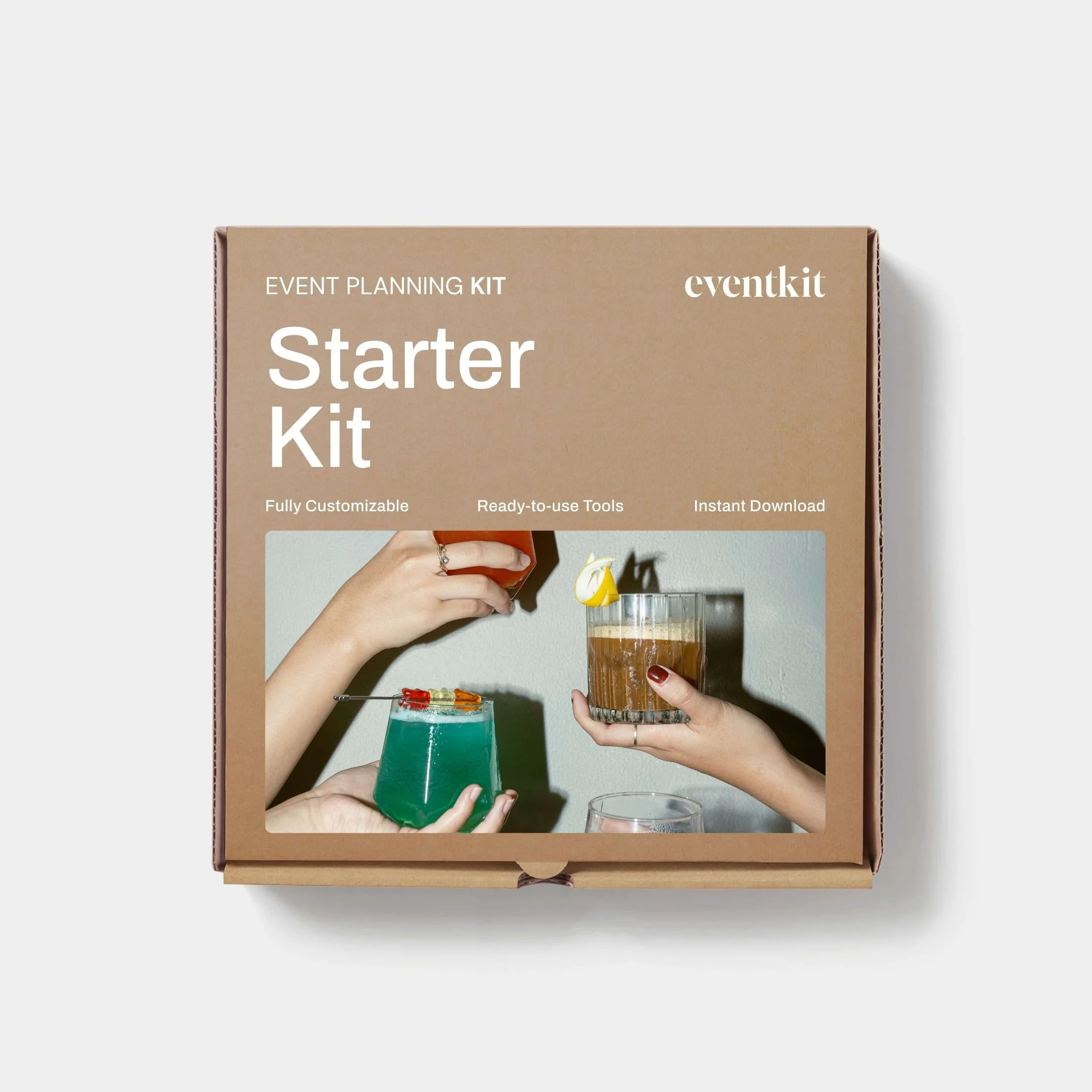
If you don't want to start from scratch, Event Kit's Event Risk Management Kit includes fully editable risk assessment templates, examples, and supporting tools to help you document and manage event risks.
Event risk and safety requirements vary by location and event type. Check applicable requirements and involve suitably qualified professionals where necessary.
→ If you found this Event Kit Guide useful, feel free to share it with a fellow event planner or your event network. They’ll appreciate you passing it on.
Related Reads


Meet Your Mentor
Rachella Thomas is an award-winning event producer with more than 26 years of experience delivering major events. Her work includes the Australian Open, Commonwealth Games Queen’s Baton Relay, Melbourne Food & Wine Festival, and other renowned large-scale events and festivals.
Rachella founded Event Kit, where she turns decades of professional event know-how into practical tools for event planners worldwide.
Learn More → ABOUT
Want to try Event Kit?
Get a professional Event Run Sheet template for free!





Description
Event Risk Management Kit
Designed for:
Event planners and professionals responsible for risk assessments, safety planning, emergency procedures and incident management at events.
Helps you:
Plan for the worst. Hope for the best. Identify, assess and manage event risks with professional templates for risk assessments, safety controls, emergency planning and incident reporting.
What’s included:
PDF
• Event Risk Management Guide
• Key Risks for Public Events and Festivals
POWERPOINT
• Event Volunteer Safety Briefing Presentation
WORD
• Emergency Announcement Scripts
• Event Incident Report
• Event Management Plan
• Event Risk Alcohol Safety Checklist
• Event Risk Assessment Matrix
• Event Risk Controls Checklist
• Event Risk Management Plan
• Event Risk Planning Checklist
• Event Risk Pre-Open Checklist
• Event Risk Stage Safety Checklist
• Event Site Safety Checklist
• Lost Child Checklist
• Lost Property Logbook
Plus:
• Built-in planning tips and guidance notes
• AI prompts to help you work faster
Pairs well with:
Any collection in the shop. There's no wrong combination — grab what fits your events and build from there.
Note: This is a digital product. No physical item is shipped.
Customer Service
Within a few minutes of purchase, you’ll receive an email with a link to download your files. The download link expires after 24 hours. If you can’t find the email, please check your Spam or Junk folder.
Need help getting started?
Notes and instructions are built into our templates to give you structure, guidance and practical real-life examples. These are not blank templates. They’re designed to guide you as you use them.
Still got questions?
Template Manual
FAQs
Contact Us
Template License
Event Kit templates are licensed for use by one business or sole operator. You can edit, customize and reuse them across every client, event, and project your business handles. Add your own branding, update colors and fonts, remove sections you don't need, and adapt the content to suit you.
Read full Template License