Designing Events with Purpose
A beautifully styled event can still fall flat.
Why? Because good looks alone don’t create connection.
The most memorable events—the ones people rave about, share online, or carry with them emotionally—are intentionally designed. They have a purpose that goes beyond décor or run sheets.
In an industry that often prioritises logistics and aesthetics, it’s easy to forget this. But designing with purpose is what separates a good event from a meaningful one.
This article will help you move beyond surface-level planning and start designing events that resonate, engage, and deliver real value.
What Does It Mean to “Design with Purpose”?
Designing with purpose means every choice, from venue to program flow to signage, supports a bigger goal.
It asks:
What are we here to achieve?
Who is this for?
What do we want them to feel, not just see?
It’s a shift from “What do we need to include?” to “What do we want this to mean?”
Step 1: Start with the Desired Impact
Instead of listing logistics first, start with this:
What transformation are you trying to create?
How should attendees feel when they arrive? When they leave?
What do you want them to do, say, or remember after the event?
This applies to every type of event from corporate summits to community festivals. When you design around a desired outcome, everything becomes more focused.
Step 2: Build a Narrative or Journey
Great events feel like they have a beginning, middle, and end. They take people on a journey that is emotional, intellectual, and sensory.
You can shape that journey by:
Designing a clear flow from arrival to departure
Introducing new ideas gradually (e.g. speakers, installations, surprises)
Using lighting, music, and movement to create rhythm and mood
Building in moments of pause or reflection (not just stimulation)
Pro Example: A sustainability forum might begin with local First Nations voices, move into global data, then close with a community-led action plan. That sequence tells a story.
Step 3: Prioritise Meaningful Interaction
Events aren’t content dumps; they’re shared experiences.
Ask:
Where can attendees connect with others, not just consume content?
Can we design moments of participation, not just observation?
Are we providing tools to reflect, discuss, or act on what they’ve learned?
Whether it’s a feedback wall, group discussion, or open mic, meaningful interaction creates ownership. And ownership deepens impact.
Step 4: Make Every Detail Serve the Purpose
If it doesn’t support the goal, it’s just decoration.
Choose venues that support your message (e.g. don’t host a climate event in a high-waste location).
Curate speakers or performers who connect to the theme, not just fill the time.
Avoid gimmicks. They date fast. Thoughtful details last the test of time.
This doesn’t mean events can’t be beautiful or fun, but the style should never be louder than the story.
Purpose doesn’t cost money. But it adds massive value.
When you design events with intention, you create experiences that people connect with and remember. You build reputation, trust, and long-term relationships.
So the next time you’re building a run sheet, ask yourself: Does this serve the purpose? Or is it just filling space?
And if you're not sure where to start, the Event Kit Brief Template is a great tool for defining your goals, audience, and messaging—before you get caught up in the details.
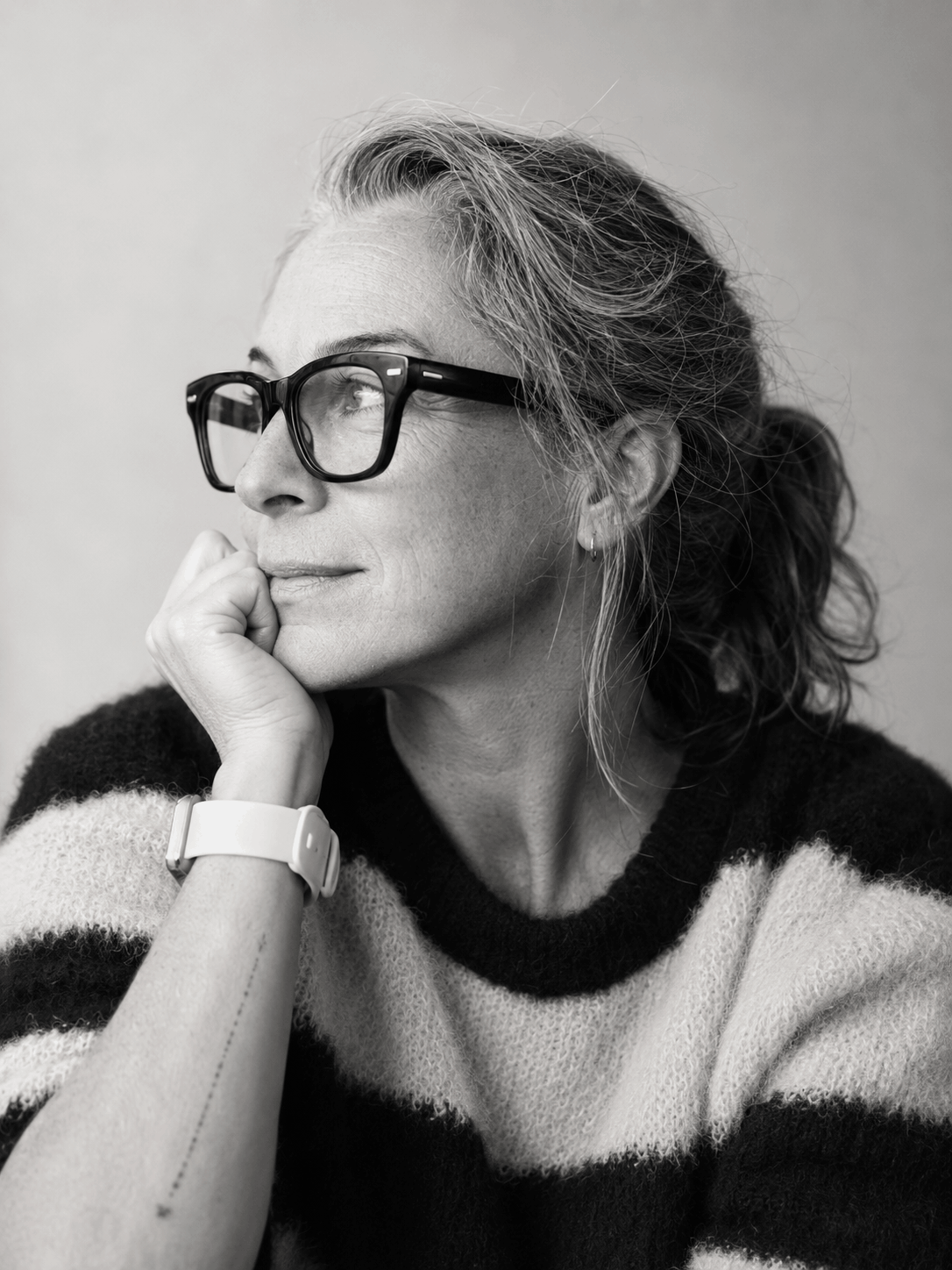
Hi, I’m Rachella
Welcome to Event Kit. This is where I share what 26+ years in events have taught me about the industry, business and the work we do.